The mullet, once a punchline, now sits comfortably in the rotation of wearable, low-commitment cuts. Soft face-framing layers and curtain bangs have replaced the harsh angles of the eighties, making the shape feel more like a textured shag than a costume.
This collection of 34 Mullet Hairstyles covers the range from collarbone lengths that grow out gracefully to ear-length crops with micro bangs. It is for anyone whose fine hair needs volume that holds past noon, whose visible grow-out line demands a root shadow, or whose fringe refuses to sit still. Each version is built to work with your texture, not against it.
Textured Black Collarbone Mullet With Curtain Bangs
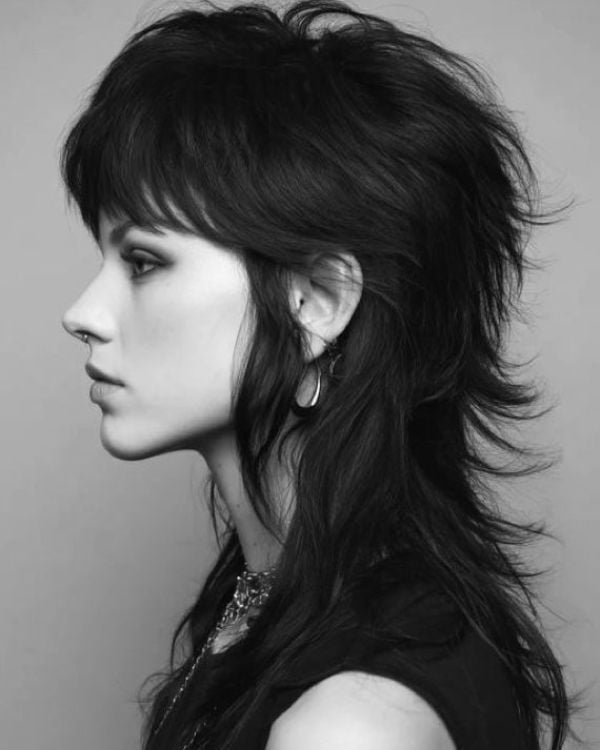
A collarbone-length mullet with textured layers is a rare thing: it proves the cut can look polished without losing its edge. The curtain bangs and middle part keep the volume distributed evenly rather than piling it all in the back, which is the usual mullet trap. This version works best on thick, wavy hair that already has some body to work with. Round and oval faces get the most out of the soft framing, while square faces may find the side weight unflattering. Ask your stylist for a collarbone-length wavy mullet with textured layers and curtain bangs. A texturizing spray will help define the waves, and a trim every six to eight weeks keeps the shape sharp.
Ash Blonde Mullet With Face-Framing Layers
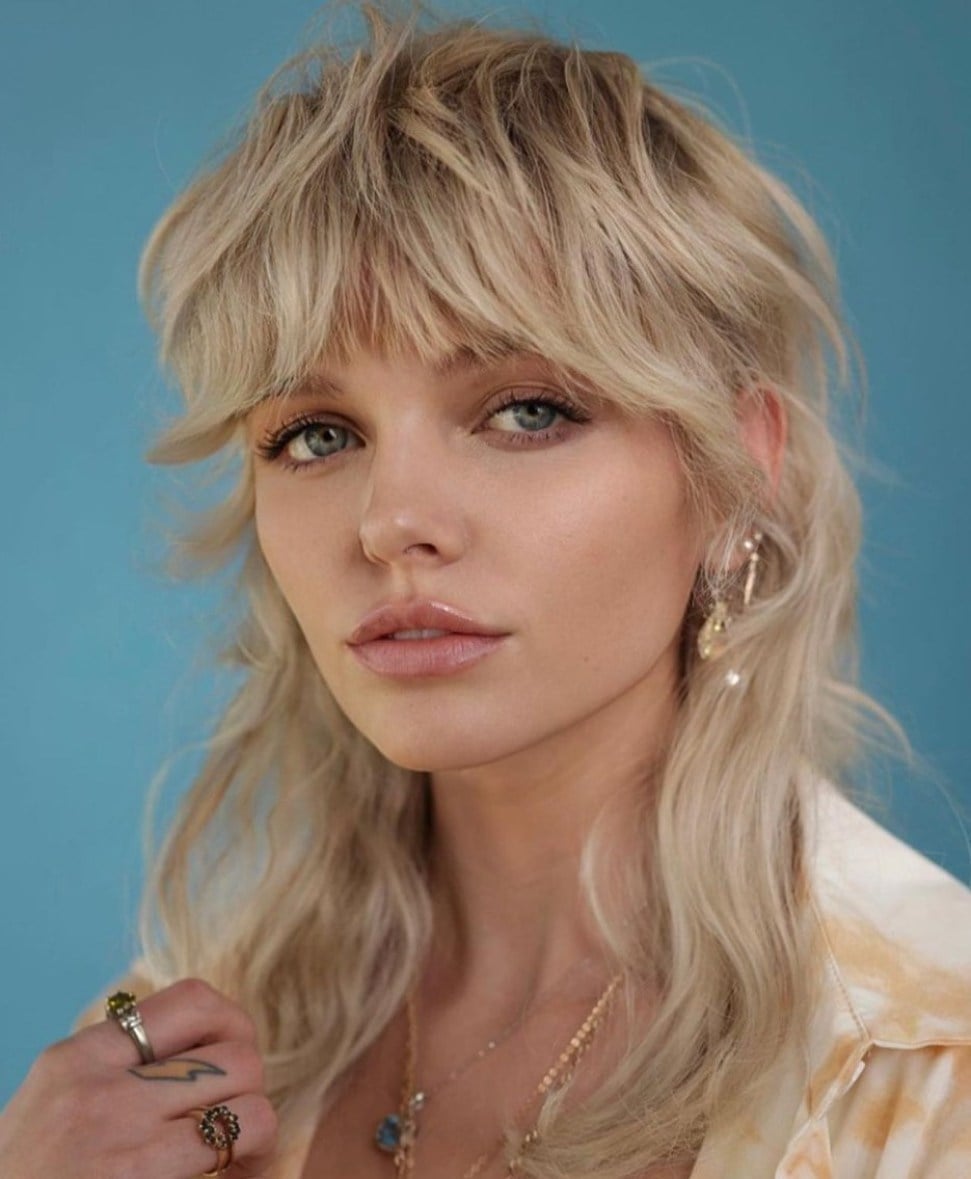
Wondering how to get those voluminous, face-framing pieces that make a mullet look intentional rather than accidental? The trick is in the layering pattern. This ash blonde version uses curtain bangs that blend into longer collarbone-length sections, so the hair falls in a continuous wave rather than a disconnected wedge. Ask your stylist for an ash blonde collarbone mullet with face-framing layers and curtain bangs. The ash tone needs a toner every six to eight weeks to stay cool rather than warm. Thick, wavy hair will hold the shape best, and heart-shaped faces benefit from the width at the cheekbone level.
Trendy Blonde Collarbone Mullet With Waves
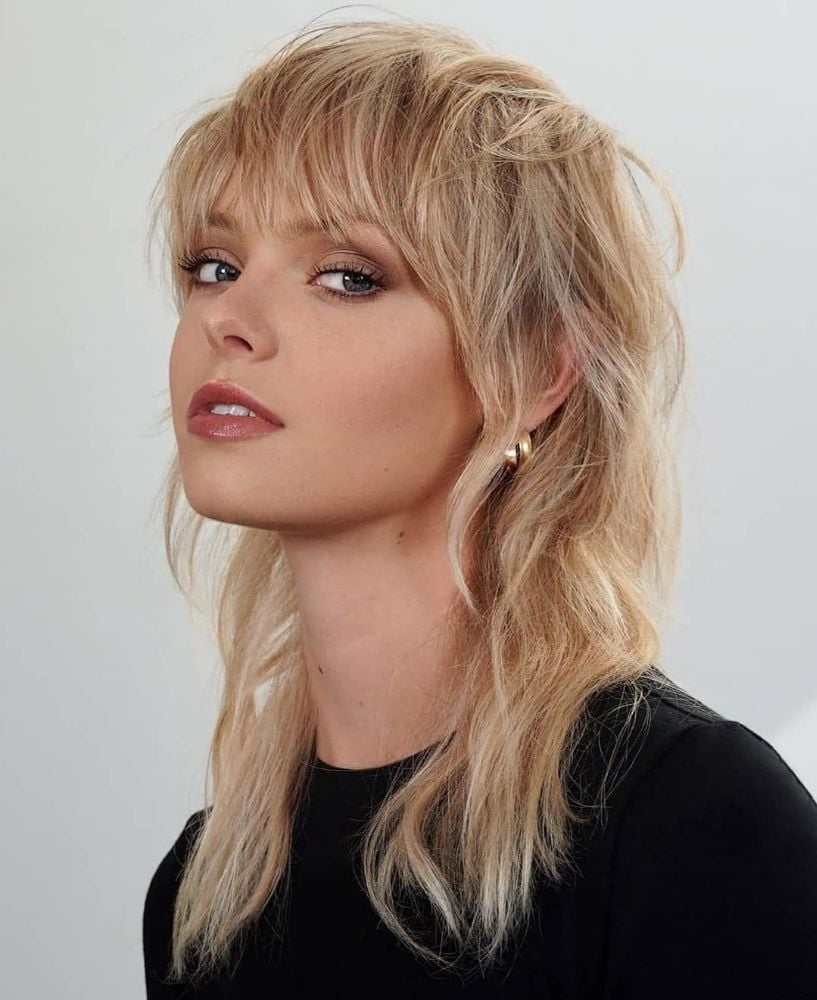
A collarbone mullet in blonde with subtle highlights reads as more lived-in than a flat all-over shade, and the loose waves prove the cut does not need a full blowout to look good. The styling steps are straightforward: wrap sections around a large-barrel curling iron, let them cool, then break them apart with fingers. Ask your stylist for a collarbone-length blonde mullet with textured layers and loose waves. The shorter crown layers will curl faster than the longer back, which is the whole point. Thick hair handles the wave pattern best, and round or square faces benefit from the softness around the jaw.
Ash Blonde Mullet With Choppy Layers
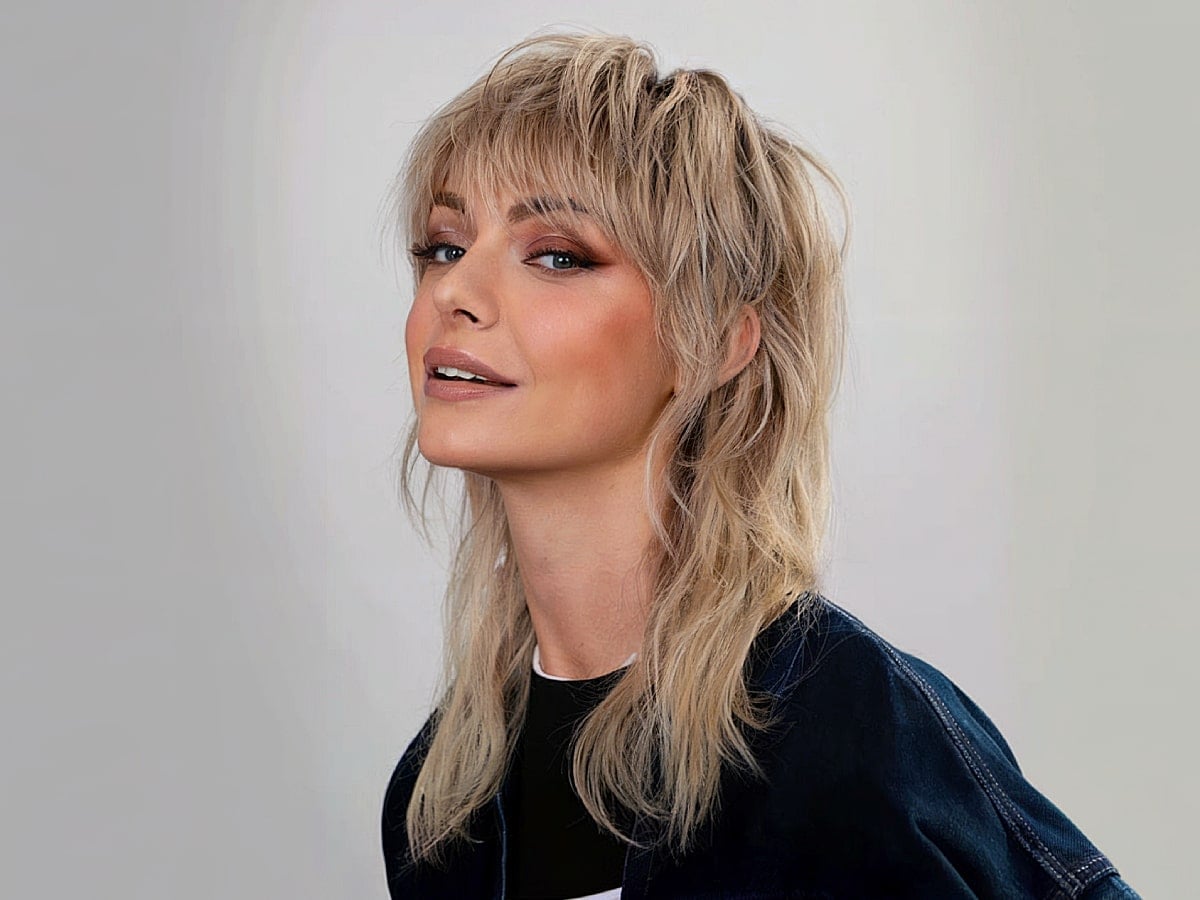
If you have fine wavy hair, a mullet with choppy layers can look like it has twice the density it actually has. That is the difference between this ash blonde version and a heavier, thicker mullet: the wispy curtain bangs and sliced layers create movement without weight. Ask your stylist for a collarbone ash blonde mullet with choppy layers and wispy curtain bangs. The key is keeping the layers close together so the hair does not separate into sparse strands. A texturizing paste will add grip, and a monthly toner keeps the ash tone from pulling brassy. Angular jawlines benefit from the soft, uneven edges.
Platinum Blonde Mullet With Tousled Waves

Platinum blonde with a root shadow on a collarbone mullet is a look that asks a question: do you have the patience for the upkeep? The choppy bangs and tousled waves give it a deliberately undone finish, but that root shadow is not a style choice so much as a survival strategy. Fine wavy hair works best here because it does not resist the texture spray. Ask your stylist for a collarbone platinum blonde mullet with choppy bangs and tousled waves. The honest drawback is the toning schedule: every four to six weeks, or the shade reads yellow. Square and round faces benefit from the short, textured fringe breaking up the forehead line.
Warm Brown Mid-Back Mullet With Short Bangs
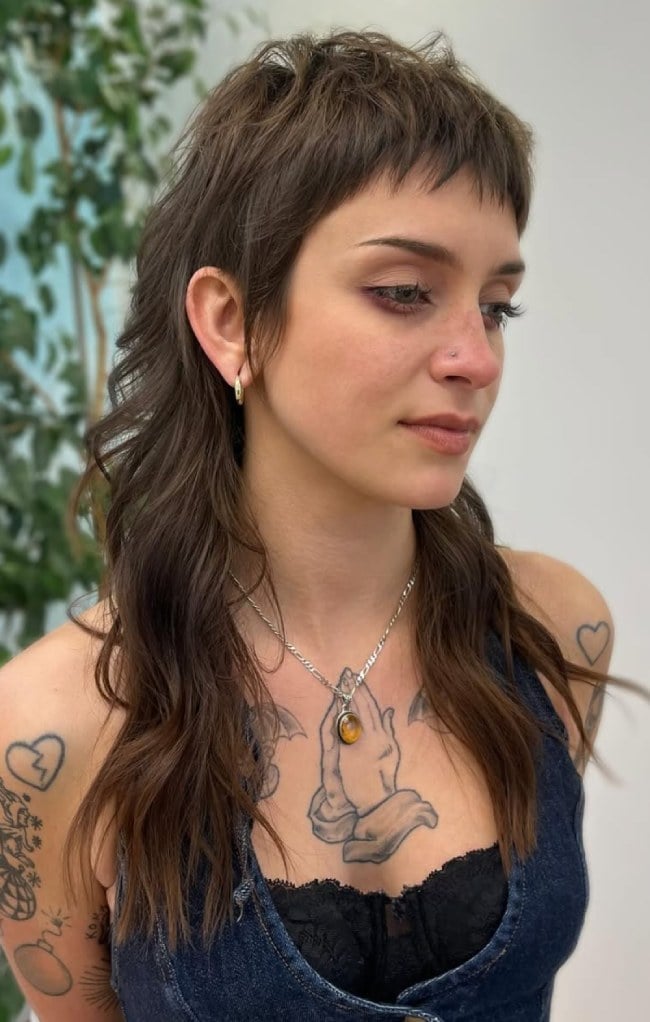
A longer mullet that reaches mid-back is a rare find, and this warm brown version makes the case for keeping some length. The short bangs and soft face-framing layers keep the shape from reading as just long hair with a bad memory. This cut works best on thick, wavy hair that can hold the volume without deflating by noon. A middle part and waves that start around the cheekbones help balance round and square faces.
Ask your stylist for: mid-back warm brown mullet with short bangs and face-framing layers. Apply a smoothing serum through the mid-lengths and ends to keep the wave pattern defined and frizz-free. Expect to book a trim every eight to ten weeks to maintain the shape and keep the bangs from turning into curtain territory.
Honey Blonde Balayage Mullet With Air-Dried Waves

The balayage here starts darker at the roots and melts into a honey blonde through the ends, which means the grow-out line is soft rather than stark. Fine, wavy hair at collarbone length benefits from the graduated layers, as they add the illusion of density without weighing the hair down. The side view shows how the front layers taper into the longer back, a detail that keeps the mullet shape intact without looking costume-y.
Ask your colorist for: collarbone honey blonde balayage mullet with curtain bangs, air-dried finish. Scrunch with a diffuser on low heat or let it air dry for the intended texture. Plan for a balayage touch-up every 12 to 16 weeks; the lived-in color hides the regrowth well.
Dark Brown Shag With Choppy Fringe
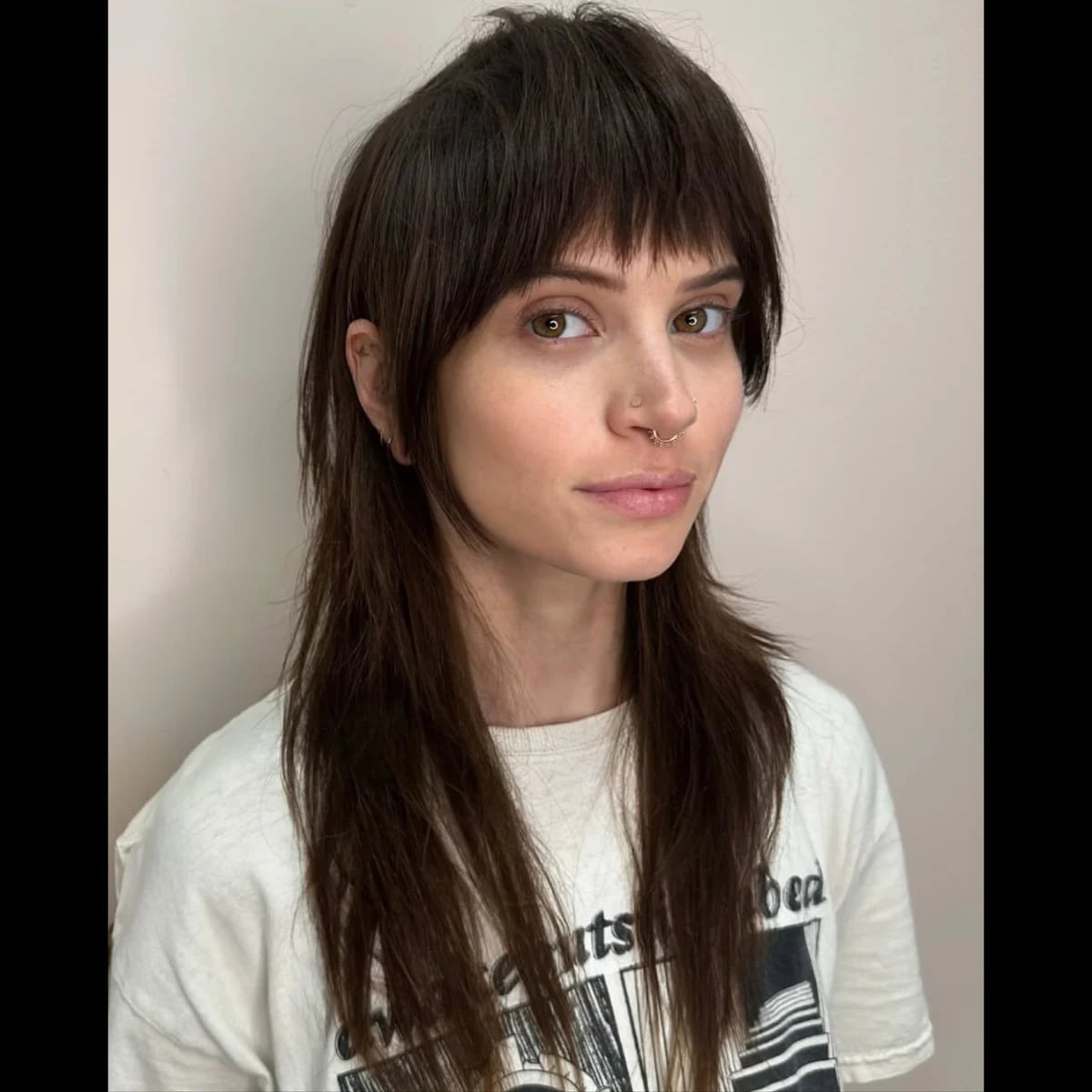
A shag with this much choppy fringe requires a stylist who understands how to cut layers into fine, straight hair without losing the integrity of the ends. The mid-back length gives enough weight to keep the shape grounded, while the fringe and shag layers add the movement that straight fine hair often lacks. This is not a style you can replicate with kitchen shears and a YouTube tutorial.
Ask your stylist for: mid-back dark brown shag with choppy fringe and layers. The precision cutting is what makes the difference between a deliberate shag and hair that looks like it got caught in a fan. A texturizing spray on the layers will define the choppiness without adding weight.
Vibrant Pink Chin Length Mullet
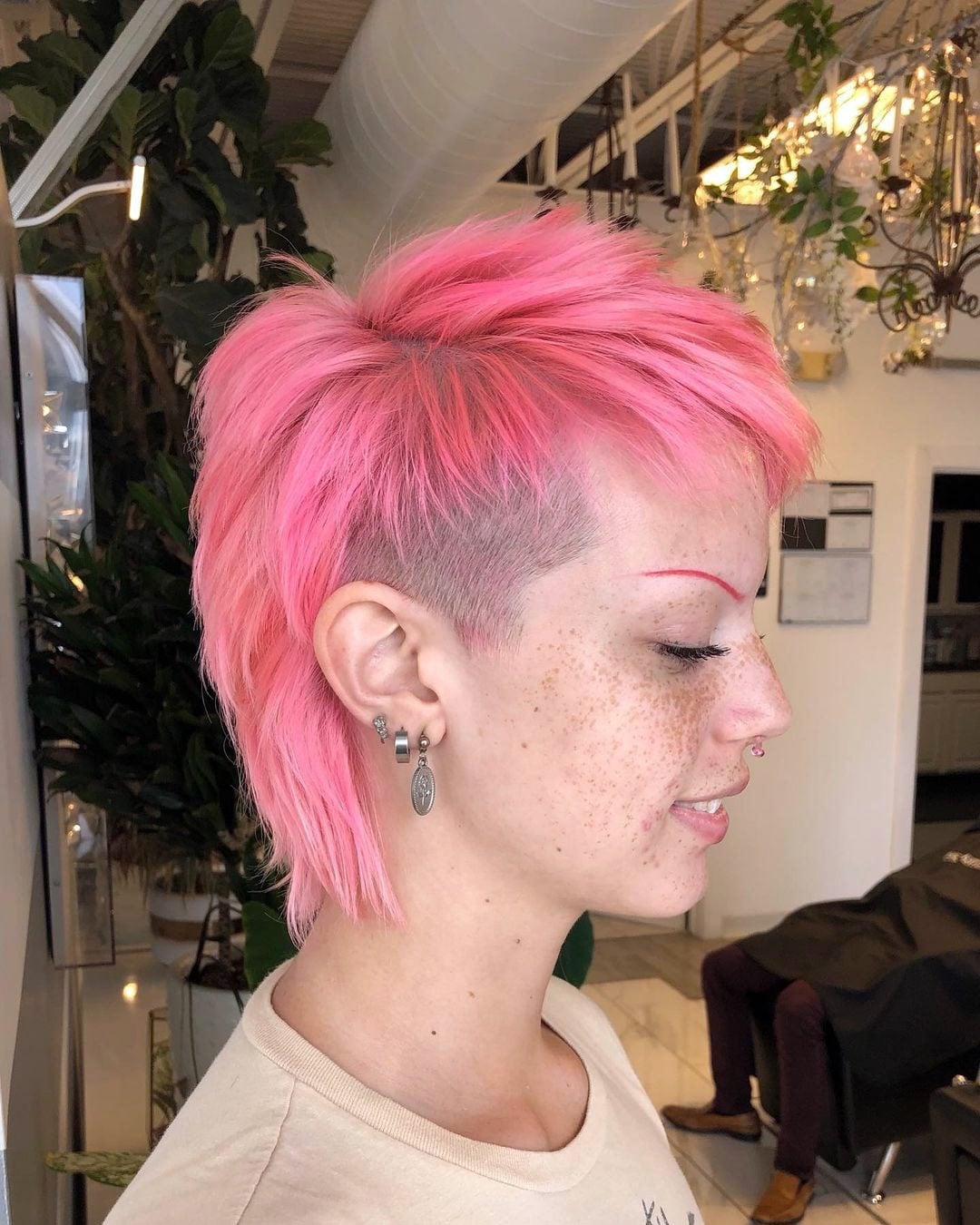
Can you pull off a chin-length mullet in vibrant pink? If you have fine, wavy hair that needs a jolt of visual interest, yes. The short fringe and undercut sides create a spiky silhouette that works for music festivals, birthday parties, or any occasion where subtlety is not the goal. The pink shade with pink highlights adds dimension to the choppy layers, so the color does not read as a flat block.
Ask your colorist for: chin length vibrant pink mullet with choppy layers and short fringe. A strong hold wax or pomade applied to the ends will give you that spiky finish. This color requires professional upkeep to keep the shade from fading into a muddy pastel.
Blonde Chin Length Mullet With Blunt Fringe
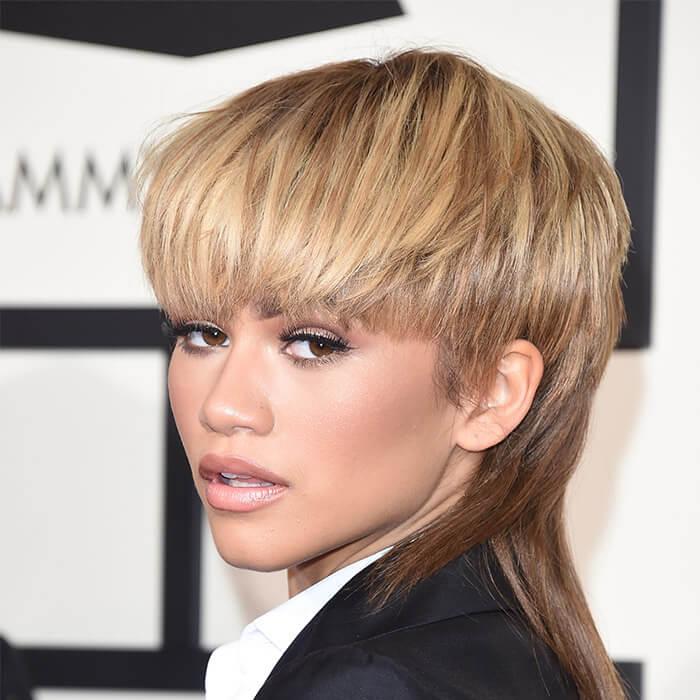
A chin length mullet with a blunt fringe is a geometry problem that solves itself when the hair is thick and straight. The blonde shade with darker roots adds contrast that prevents the blunt fringe from looking too severe. The middle part and sleek styling make this a sharp, modern take on the mullet.
Ask your stylist for: chin length blonde mullet with dark roots and a blunt fringe. Maintaining the blunt fringe means booking a trim every four to six weeks, as even a quarter inch of growth changes the line. A flat iron on medium heat will keep the finish sleek and the ends aligned.
Short Ash Brown Mullet With Cropped Sides
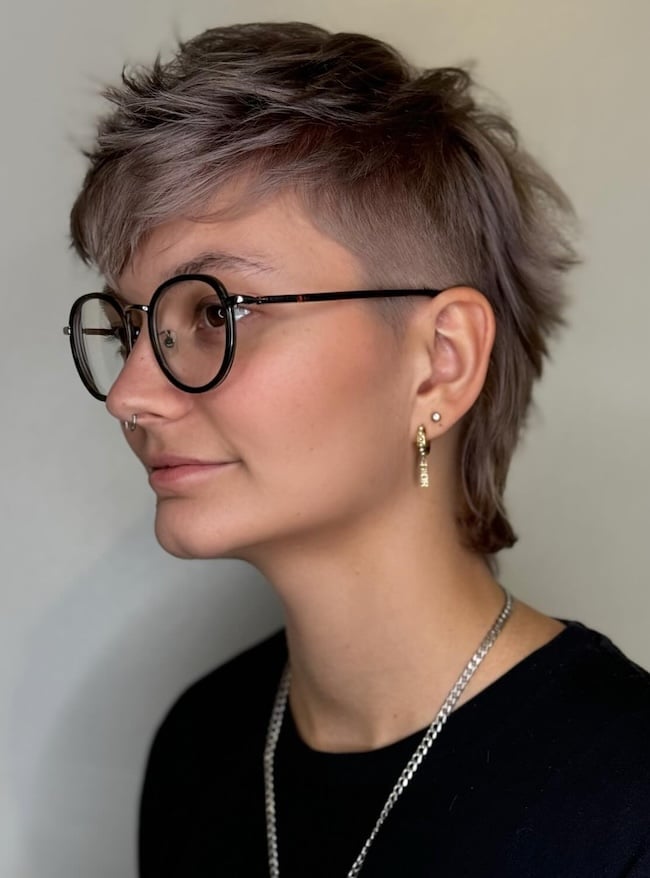
The design here is a study in contrasts: cropped sides and a textured crop on top, all in ash brown with darker roots. The ear-length cut relies on fine, straight texture and a side part to keep the shape readable rather than chaotic. Ask your stylist for a short ash brown mullet with cropped sides and short choppy bangs. Fine hair takes to the tight sides well, and the choppy bangs prevent the top from feeling sparse. The honest trade-off is that the cropped sides demand a barber visit every three to four weeks. Regrowth blurs the line between intentional and accidental, and that look is rarely the one you want. If a monthly trim sounds like a chore, a less extreme version with longer sides might be the better call.
Dark Brown Collarbone Mullet With Choppy Bangs
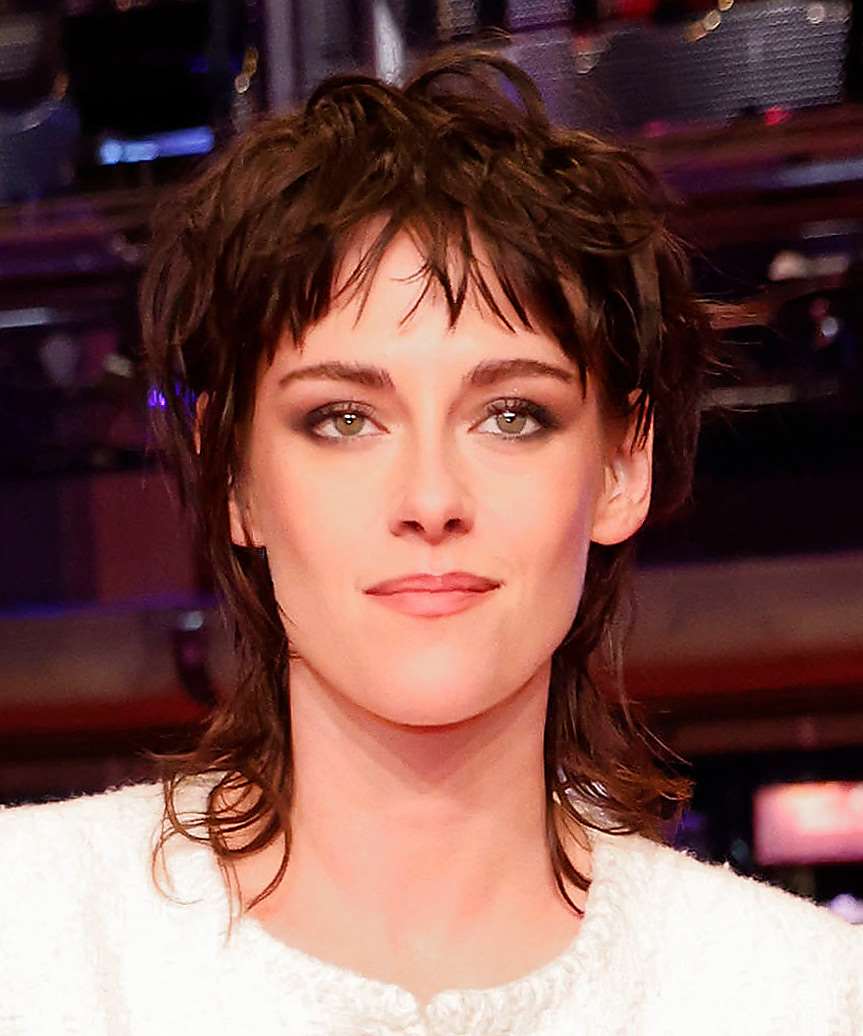
Does your fine, wavy hair ever feel like it needs more shape without losing length? This dark brown collarbone-length mullet with choppy bangs and a middle part answers that. The air-dried finish and slightly tousled layers let the wave pattern do the work. Ask your stylist for a collarbone dark brown mullet with choppy bangs and air-dried waves. The choppy bangs soften round faces, and the fine texture keeps the layers from looking heavy. A wave-enhancing product applied to damp hair is all the styling it needs, and a trim every six to eight weeks maintains the choppy ends.
Platinum Blonde Chin Mullet With Choppy Bangs
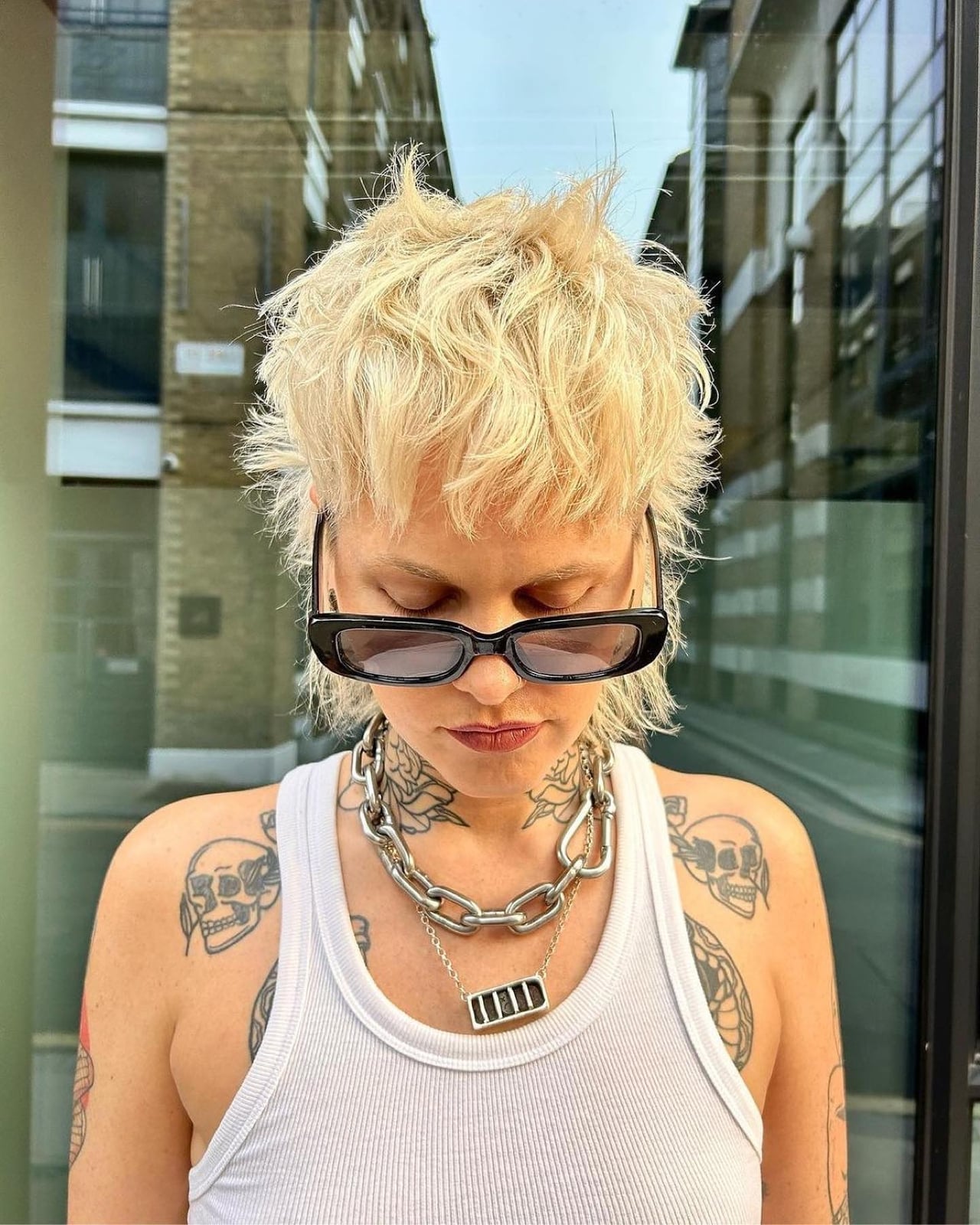
A chin-length mullet in platinum blonde with short choppy bangs and a middle part is a color-first cut. The fine, wavy texture keeps the blonde from reading as flat, and the short bangs frame the face without hiding it. Ask your colorist for a chin length platinum blonde mullet with short choppy bangs. The lift to platinum requires a salon session, and the tone needs a purple shampoo every other wash to stay cool rather than yellow. A texturizing spray on dry hair gives the waves the separation the cut demands.
Black Collarbone Mullet With Choppy Bangs

Compared to a wavy mullet, this fine, straight black version with short choppy bangs and a middle part needs a different approach to styling. The collarbone length and textured layers give the cut its edge, but straight hair shows every uneven piece, so the choppy bangs have to be precise. Ask your stylist for a collarbone black mullet with short choppy bangs and textured layers. A smoothing cream tames the flyaways that fine straight hair tends to produce, and a trim every six to eight weeks keeps the choppy shape clean. Skip this one if you prefer a softer, less graphic silhouette.
Dark Base Mullet With Blonde Highlights
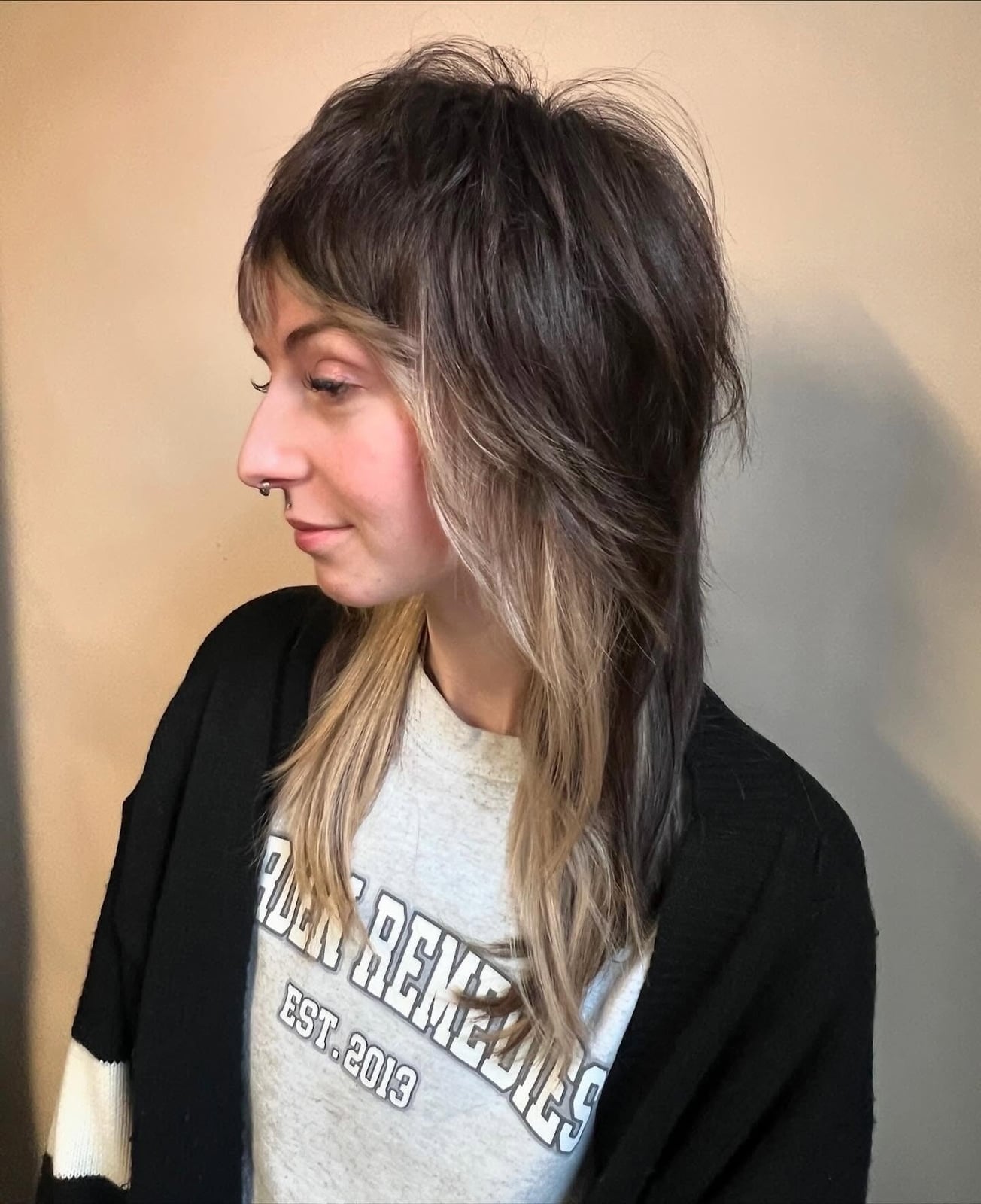
The technique here is a dark base with contrasting blonde highlights, creating dimension across a mid-back length mullet with wispy bangs and a side part. The wavy, medium-density texture lets the highlights sit at different depths without blending into one another. Ask your colorist for a mid-back dark base mullet with blonde highlights and wispy bangs.
Styling a blowout with a volumizing mousse lifts the roots and shows off the color contrast. The upkeep is a highlight refresh every eight to ten weeks, since the dark base grows out quickly against the lighter pieces. The wispy bangs need a trim every four weeks to stay feathery rather than heavy.
Ash Blonde Shag With Short Wispy Fringe
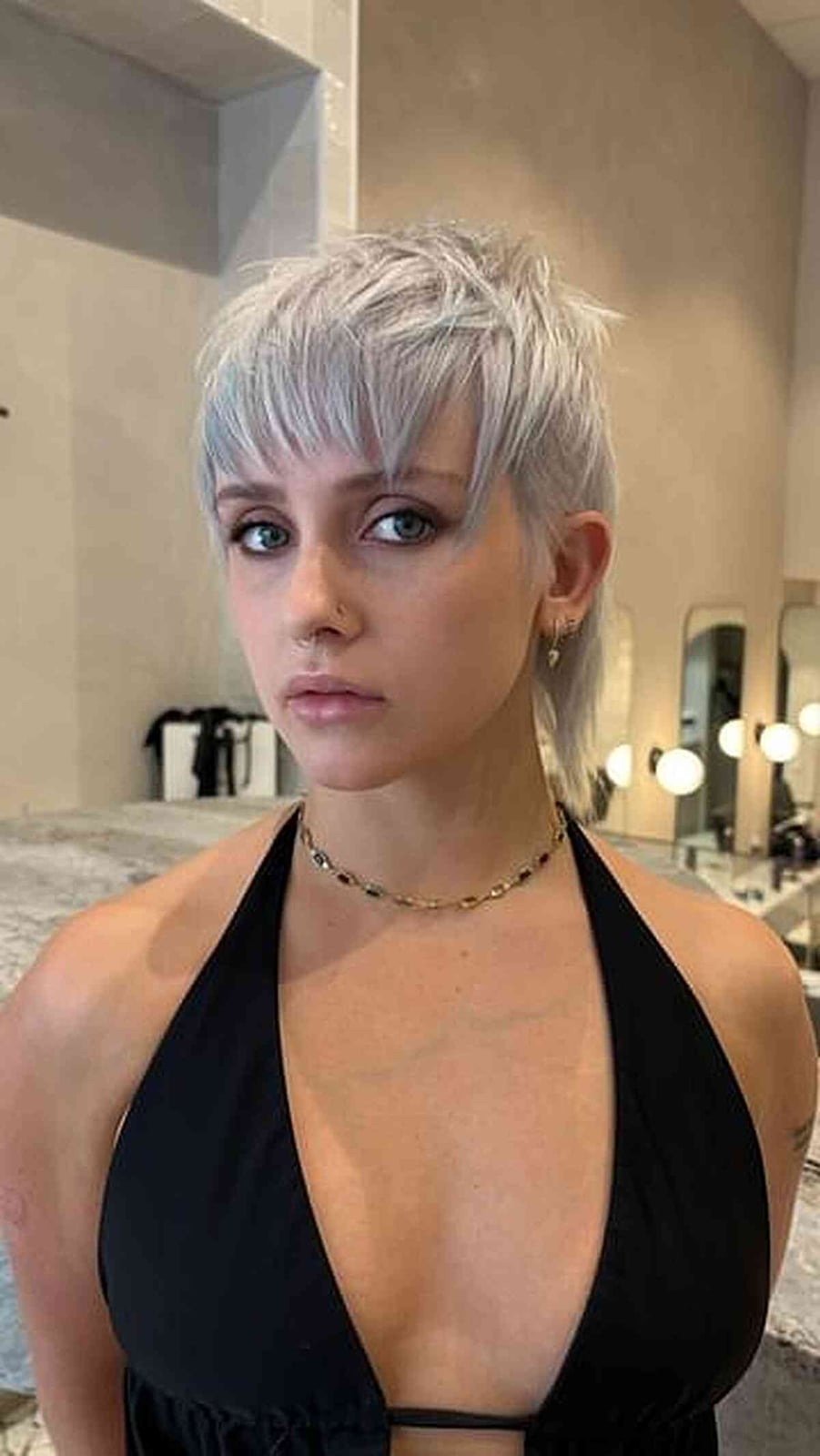
What does it take to get that piecey, textured shag that looks airy instead of accidental? Daily styling, for one. The ash blonde shag with subtle silver tones relies on contrasting lengths, short around the ears and collarbone at the back, so every layer lands where it should. Fine, straight hair takes the texture best, though the short wispy fringe softens the whole thing. Ask your stylist for: ash blonde shag with contrasting lengths and short wispy fringe. A texturizing spray gives definition without weighing the fine strands down, but the precise layering demands a salon hand. Expect to revisit the chair every six to eight weeks to keep the shape honest.
Dark Auburn Collarbone Mullet With Choppy Bangs, Wavy
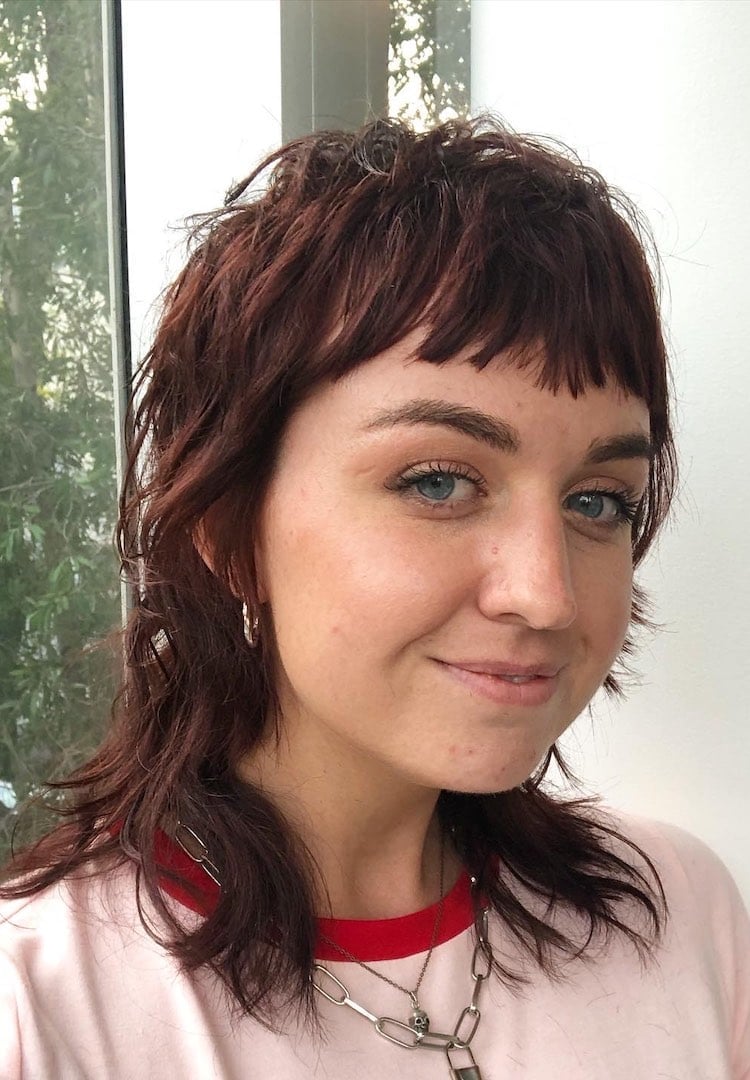
The dark auburn mullet leans on its choppy bangs to carry the edge, and the side parting keeps the whole thing from feeling costume-y. Medium, wavy hair at collarbone length is the natural fit here, since the waves give the textured layers somewhere to land. The air-dried finish means the cut does the work while the hair dries, which suits anyone who skips the hot tools. Ask your stylist for: collarbone dark auburn mullet with short choppy bangs and textured layers. A diffuser helps the waves hold their shape, and a trim every six to eight weeks keeps the bangs sharp. The rich color adds depth without asking for much maintenance.
Ash Blonde Mullet With Textured Blowout
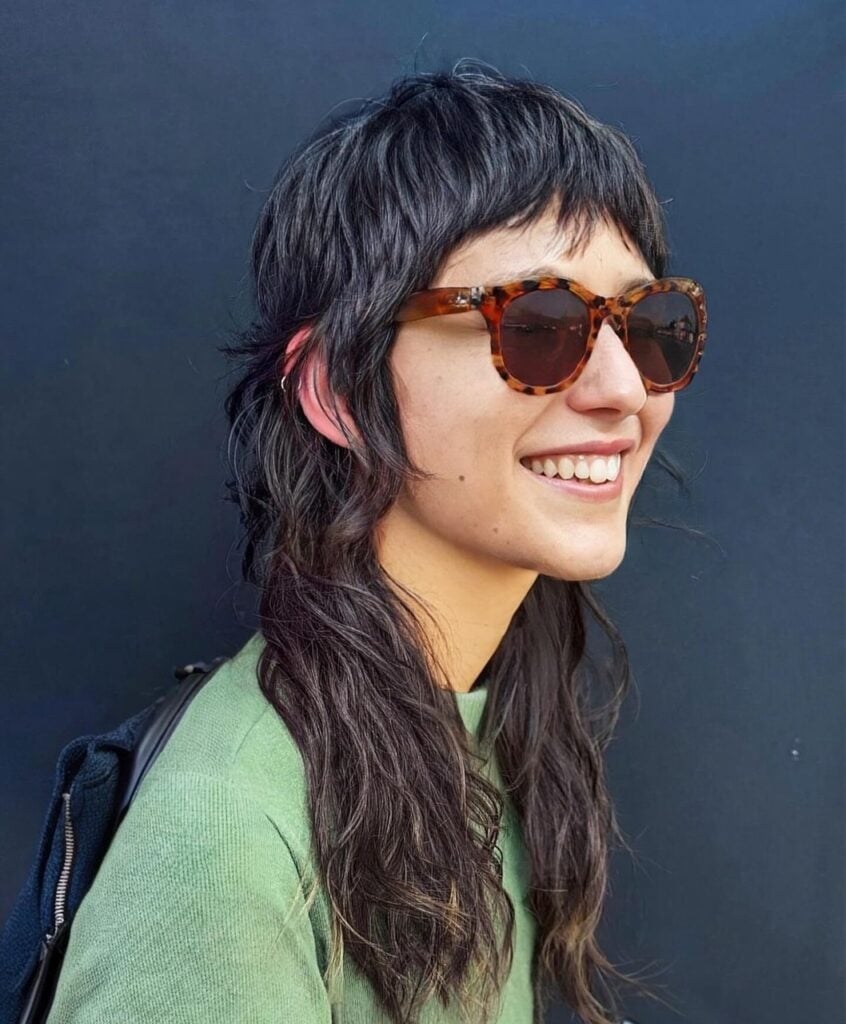
This ash blonde mullet with darker roots is a salon project from start to finish. The textured blowout needs a round brush and some technique to get the lift at the roots and the wave through the collarbone-length layers. Fine, wavy hair takes the volume well, but the short choppy bangs and the root shadow are where the professional touch shows. Ask your colorist for: collarbone ash blonde mullet with darker roots, short choppy bangs, textured blowout. DIY attempts tend to fall flat, literally. A toner every four to six weeks keeps the ash from turning brassy, and the middle part keeps the shape balanced.
Light Blue Chin Mullet With Spiky Texture
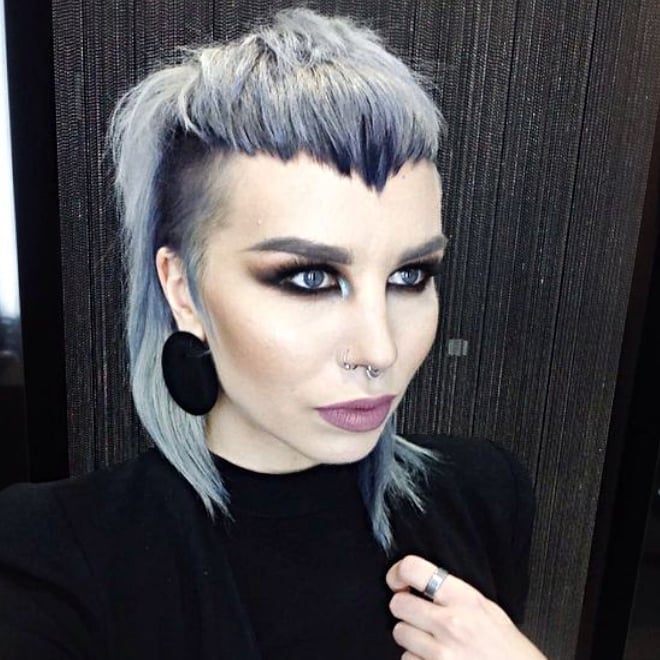
The light blue mullet with dark blue accents is built for festival season, when the sun hits the spiky tips and the style stands out. The straight, fine texture holds the spiky style without much fuss, and the collarbone length keeps the avant-garde shape wearable. Short choppy bangs frame the face while the color does the talking. Ask your colorist for: collarbone light blue mullet with dark blue accents and spiky texture. A strong hold gel or wax sets the spikes, though the color needs a professional hand to keep the blue from fading into green. It is a summer commitment, not a weekend experiment.
Black Mid-Back Mullet With Shaved Sides
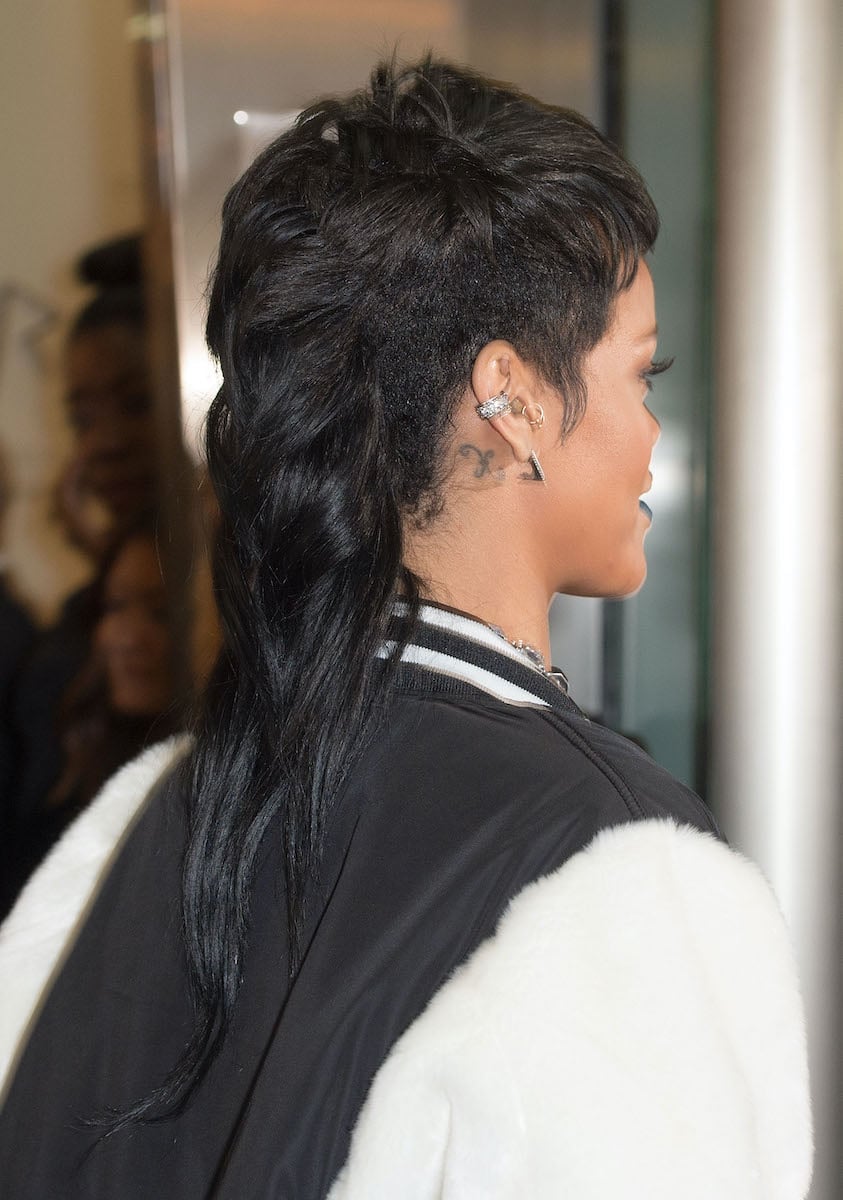
The black mullet with shaved sides is a study in contrast, and the back view tells the whole story. The shaved sides frame the face while the longer, layered hair reaches mid-back, creating a silhouette that is equal parts sharp and sweeping. Straight, thick texture gives the layers weight, so the shape holds without curling in on itself. Ask your stylist for: mid-back black mullet with shaved sides and layers.
Upkeep is the trade-off. The shaved sides need a clipper visit every three to four weeks to stay crisp, while the longer sections only need a trim every eight weeks to keep the layers clean. The contrast between the close-cropped sides and the length at the back is the point, so keeping that line sharp is non-negotiable. This is a cut that announces itself, and it expects you to keep up.
Dark Brown Collarbone Mullet With Choppy Bangs, Air-Dried Finish
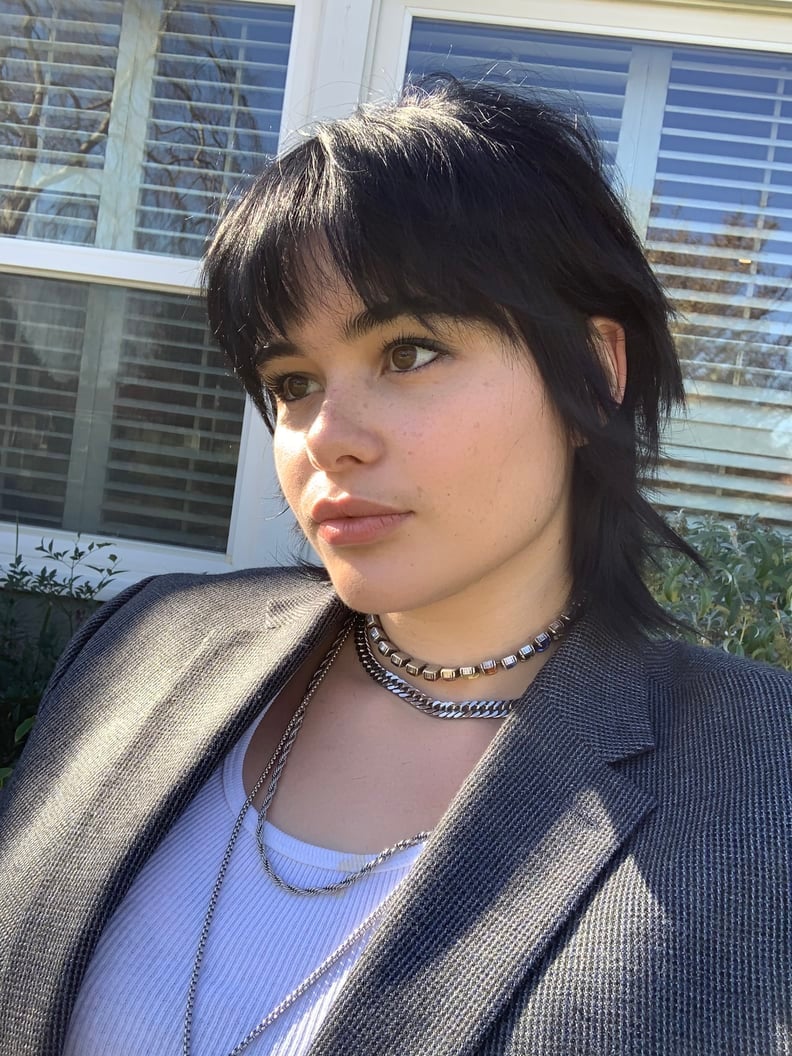
The air-dried finish requires product to keep choppy bangs and medium wavy texture from looking unkempt. The dark brown collarbone mullet with subtle highlights needs a good scrunch to achieve a balanced look. Ask your stylist for: a collarbone dark brown mullet with short choppy bangs and a textured finish. A trim every six to eight weeks keeps the shape from looking more shag than mullet. The trade-off is that on days you want polish, you will have to break out a round brush and heat.
Auburn Chin Mullet With Wispy Bangs
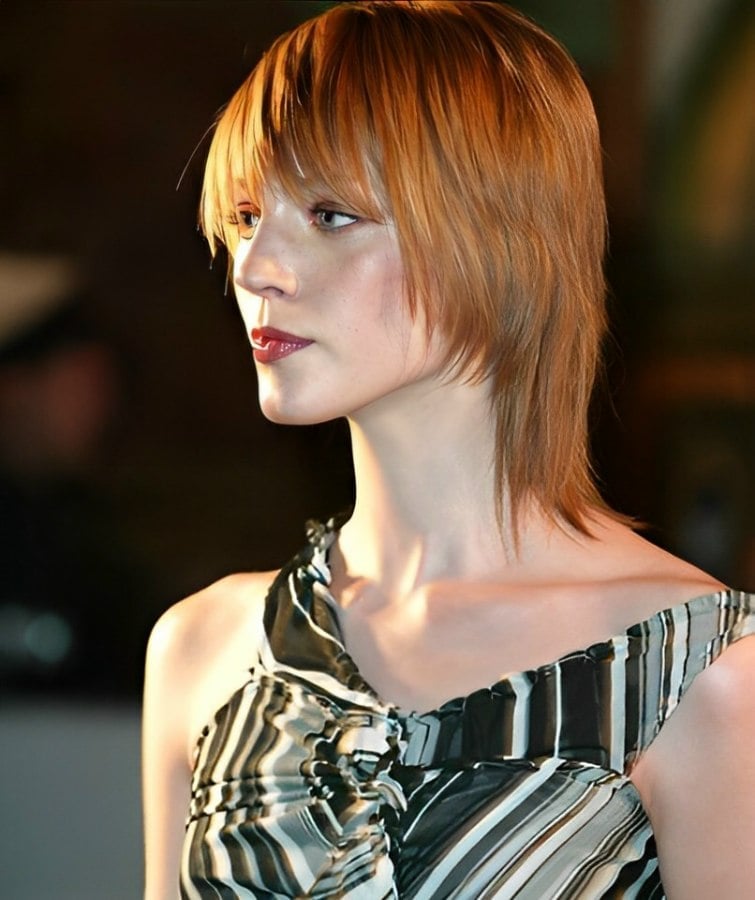
Does fine, straight hair ever hold a shape? It does when the cut does the work. The auburn chin mullet with choppy layers and short wispy bangs builds volume through the crown without needing a curling iron. The blowout styling and middle parting give the straight texture lift that lasts. Ask your stylist for a chin length auburn mullet with choppy layers and short wispy bangs. Fine hair stays sleek and the wispy bangs soften the overall look rather than sitting there like an afterthought. A trim every six to eight weeks keeps the layers sharp.
Dark Brown Collarbone Mullet With Blonde Highlights
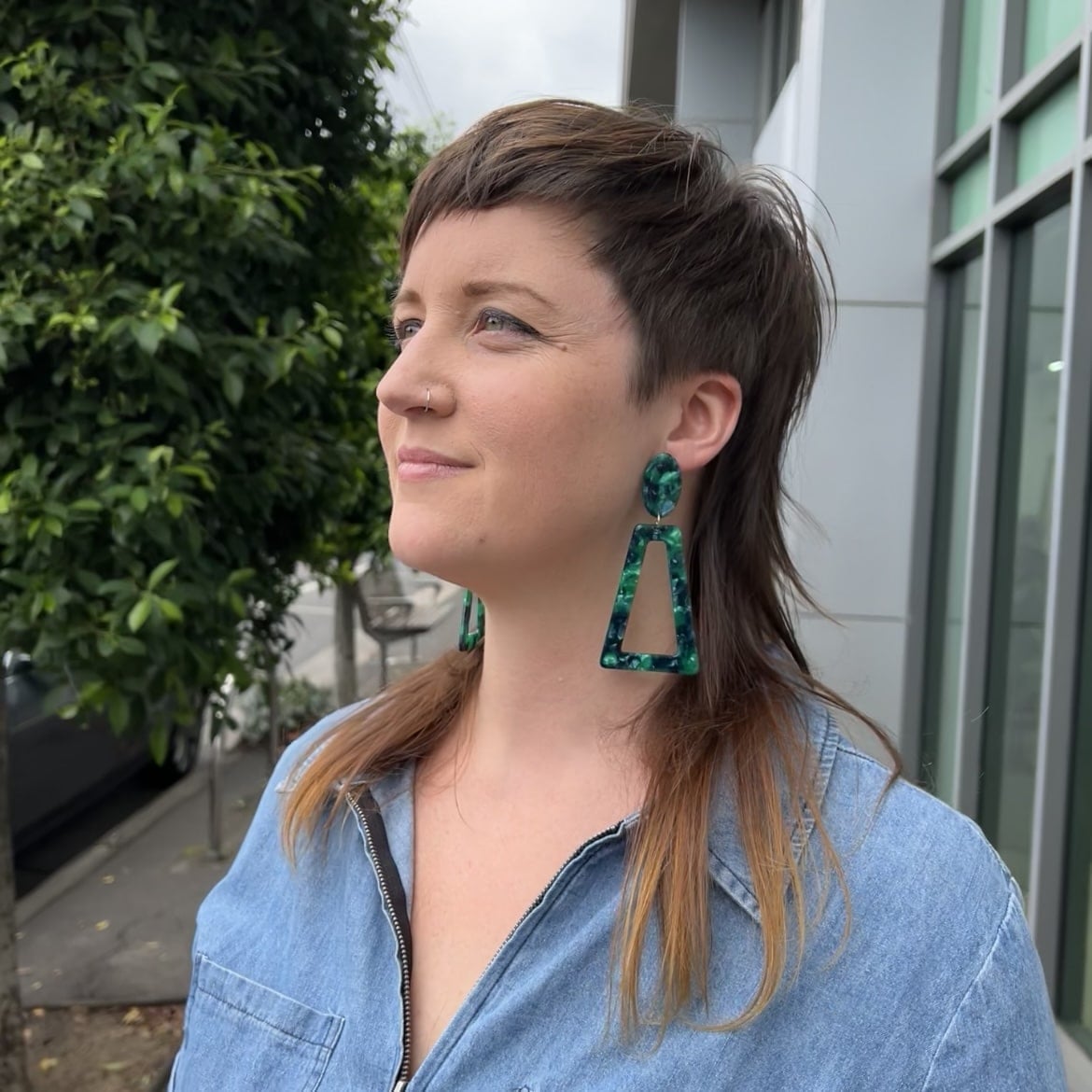
A dark brown collarbone mullet with blonde highlights adds dimension without a full color commitment. The choppy bangs and straight thick texture keep the style from looking flat, even when air-dried. Ask your colorist for a collarbone dark brown mullet with blonde highlights and choppy bangs. Placement matters here: you want the highlights concentrated around the face and through the ends, not scattered randomly. Touch them up every eight to ten weeks to keep the contrast from fading into a muddy brown. The air-dried finish means zero heat styling on most days.
Black Collarbone Mullet With Shaggy Bangs, Straight
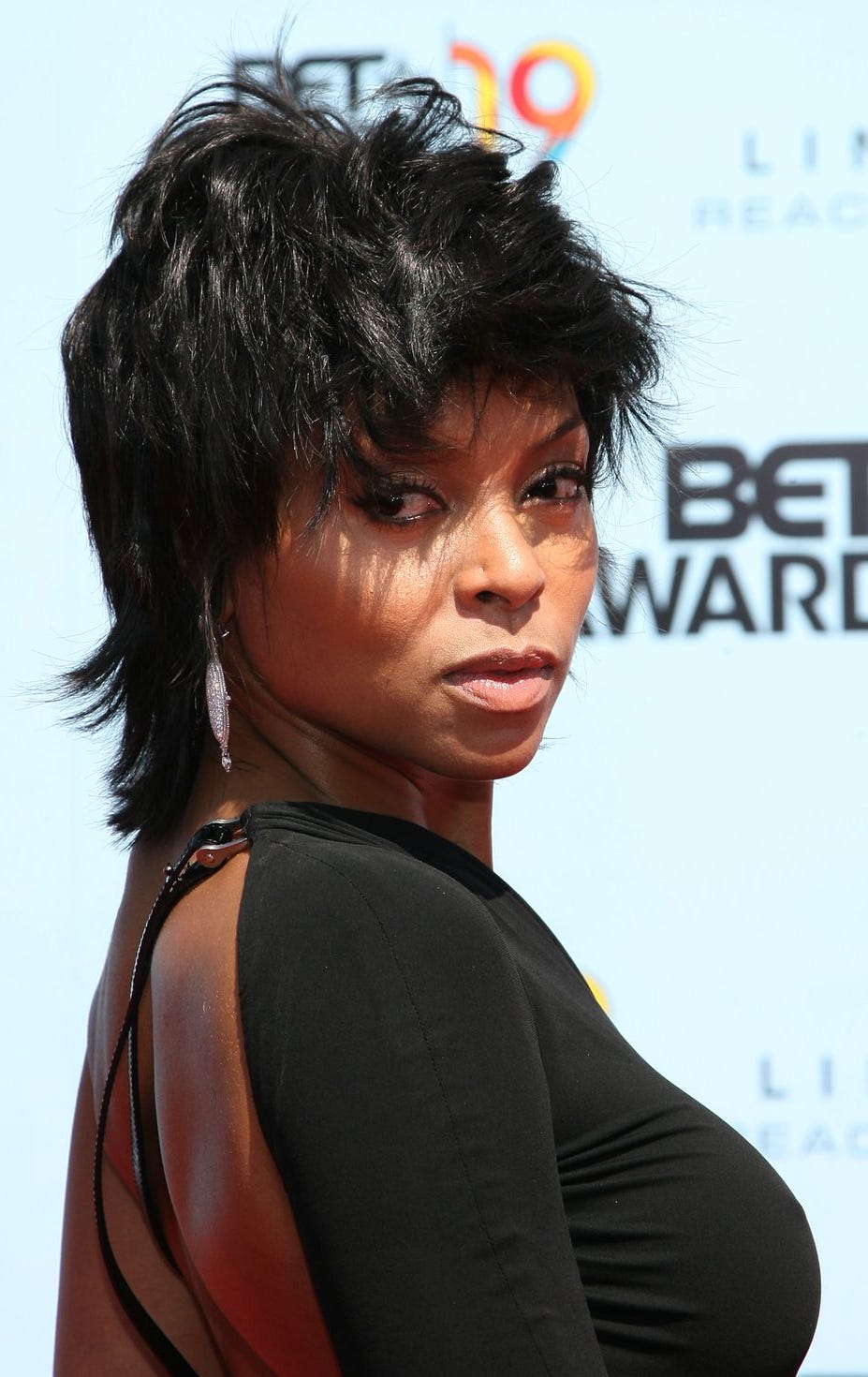
This black collarbone mullet with shaggy layers and wispy bangs sits somewhere between a proper mullet and a grown-out shag. The fine straight texture means the tousled blowout holds better than it would on coarse hair, where the same cut can look too heavy. Ask your stylist for a collarbone black mullet with shaggy layers and wispy shaggy bangs. A texturizing spray keeps the lived-in look from falling flat by midday. The shaggy bangs frame the face without the commitment of a blunt fringe, and the middle parting keeps the weight evenly distributed.
Dark Brown Mullet With Textured Layers
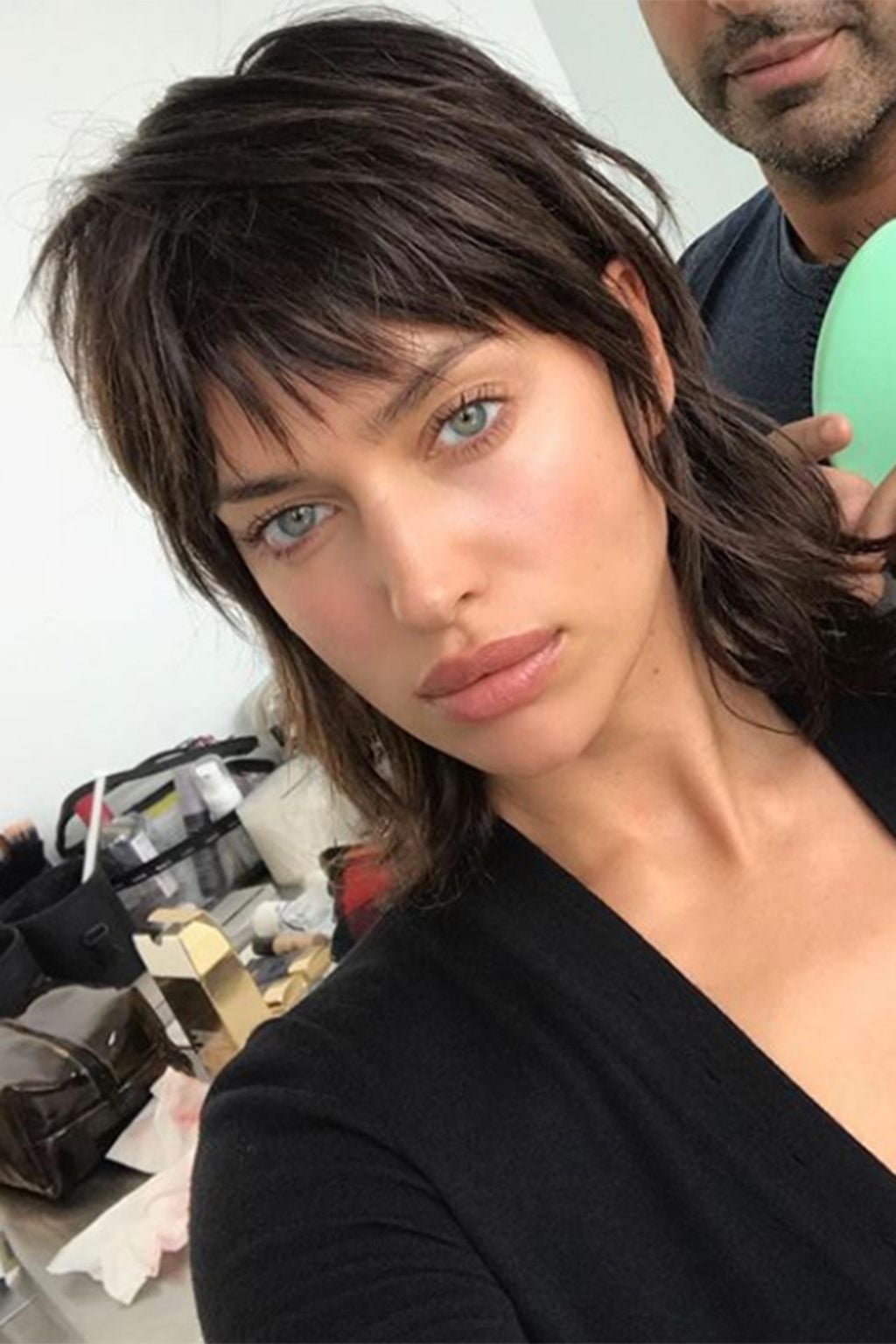
The dark brown collarbone mullet with choppy layers and soft curtain bangs is built on contrast. Shorter pieces at the crown stack up volume while the longer nape sections keep the mullet shape intact. The wavy thick texture takes well to a blowout with a round brush, which adds a glossy finish.
Ask your stylist for: a collarbone dark brown mullet with choppy layers and soft curtain bangs. A smoothing balm before blow-drying controls any frizz and keeps the waves defined. This cut is a modern mullet with deliberate shape.
Black Ear Length Mullet With Micro Bangs
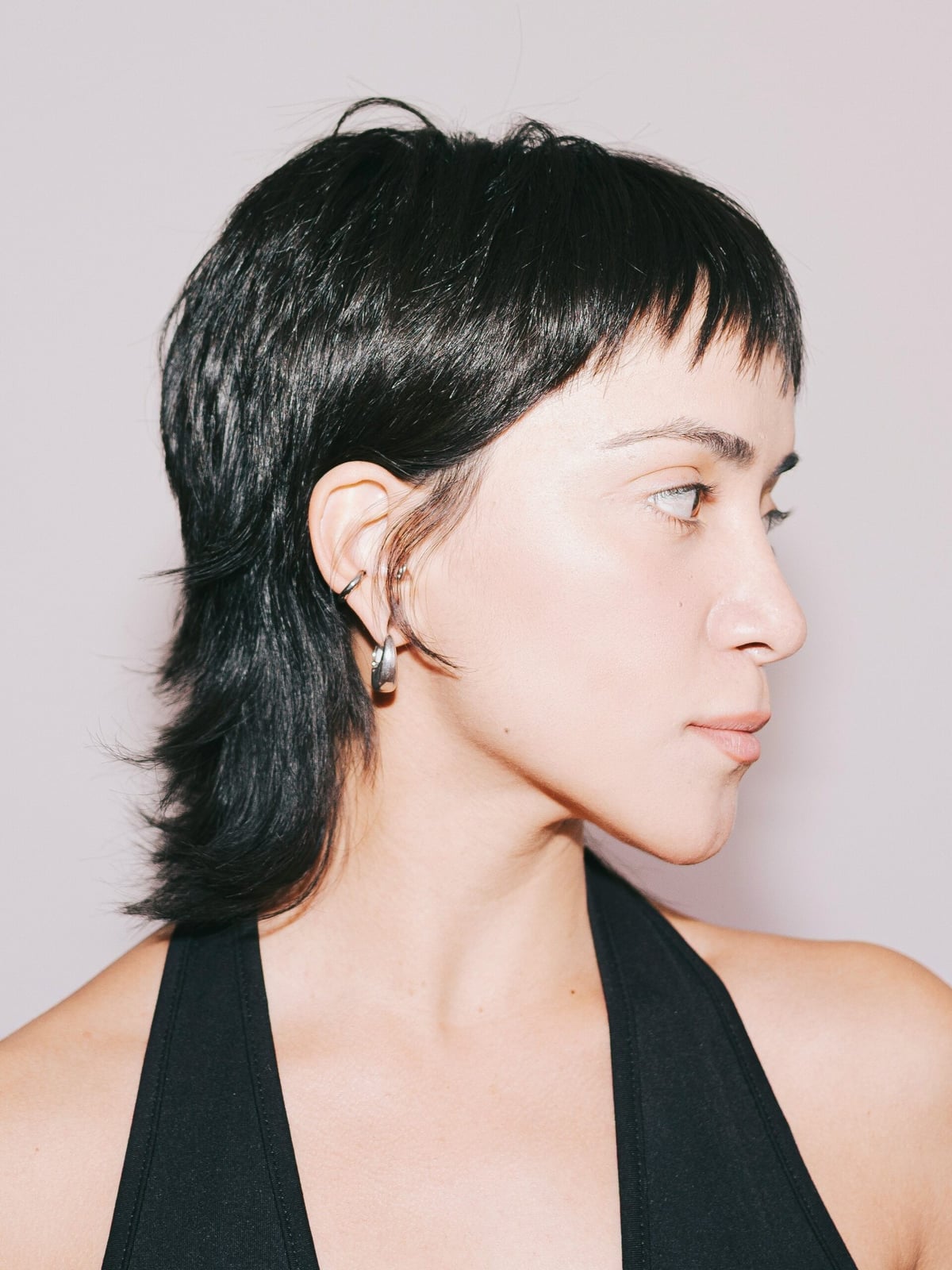
This cut suits fine wavy hair that can handle a graphic, blunt fringe above the brows. Ask your stylist for an ear-length black mullet with micro bangs. A texturizing spray adds definition to the layers, but the micro bangs need a trim every two to three weeks to stay sharp.
Dark Brown Shoulder Mullet With Gray-Blue Highlights
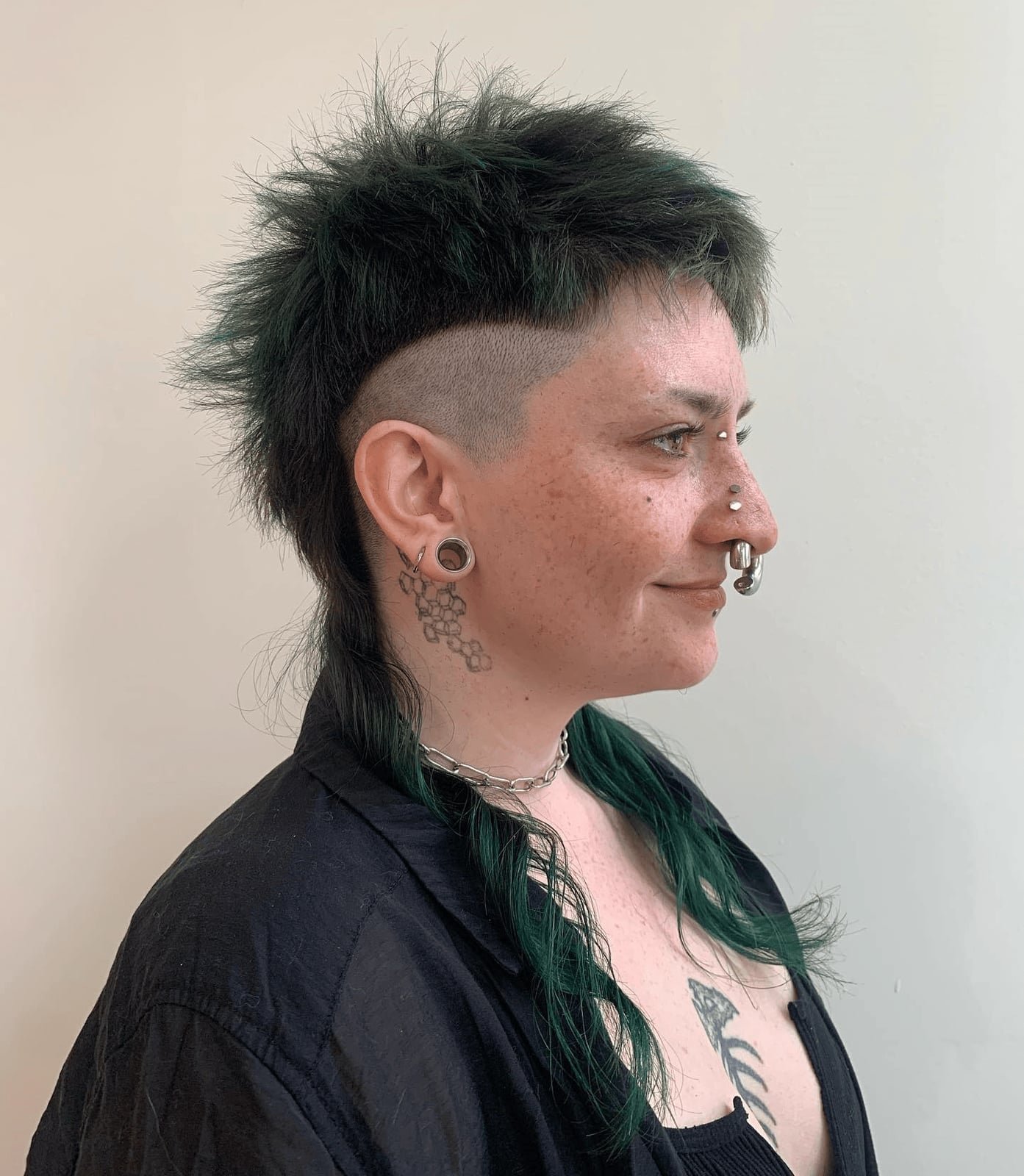
Is that a subtle color accent or an intentional wash of gray-blue through dark brown layers? The side-parted, wavy mullet reaches the shoulder with wispy bangs and textured layers that move together. It works best on medium-density wavy hair that can hold a loose S-pattern without product weight. Ask your colorist for a shoulder-length dark brown mullet with wispy bangs and gray-blue highlights. A color-depositing conditioner every two weeks keeps the accent tones from turning muddy.
Dark Red Ear Length Mullet
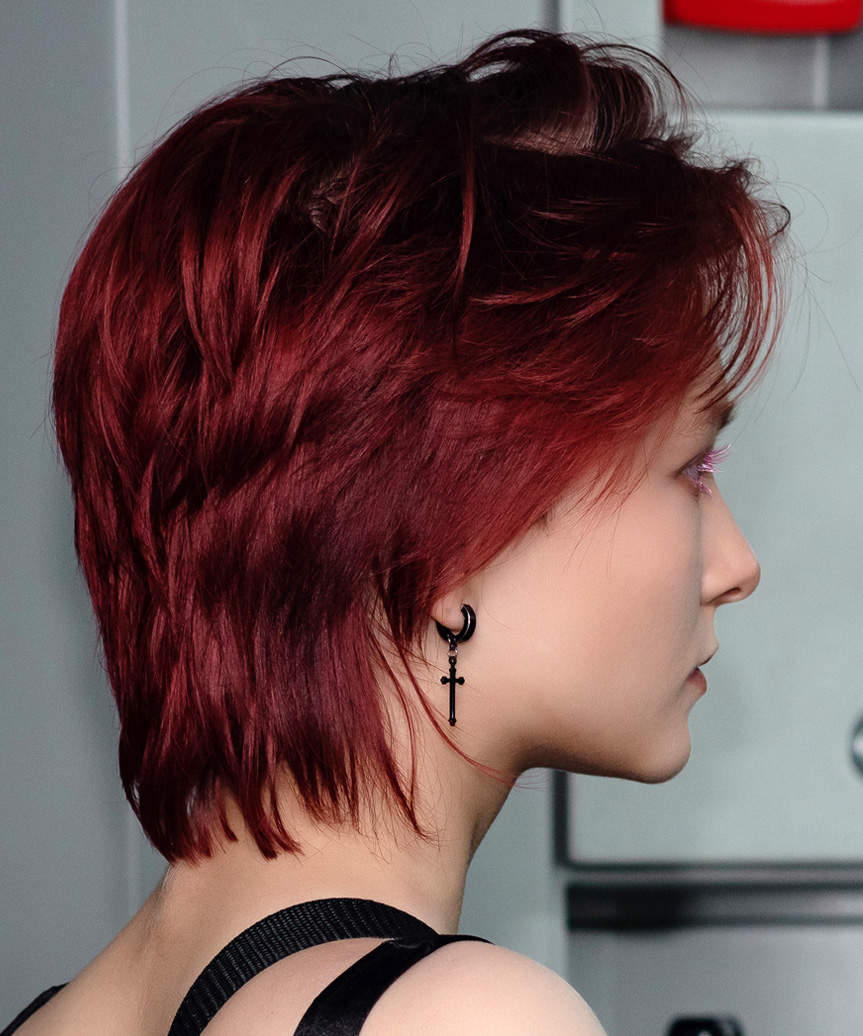
A dark red ear-length mullet is a salon color, not a box-dye gamble. The fine straight hair is cut with soft face-framing layers and no bangs, parted in the middle for a clean, graphic line. Ask your colorist for an ear-length dark red mullet with face-framing layers. The vibrant shade requires a professional application to avoid patchiness, and a gloss treatment every four weeks maintains the glassy finish that this cut needs to read as intentional rather than faded.
Dark Brown Collarbone Mullet With Wispy Bangs, Wavy
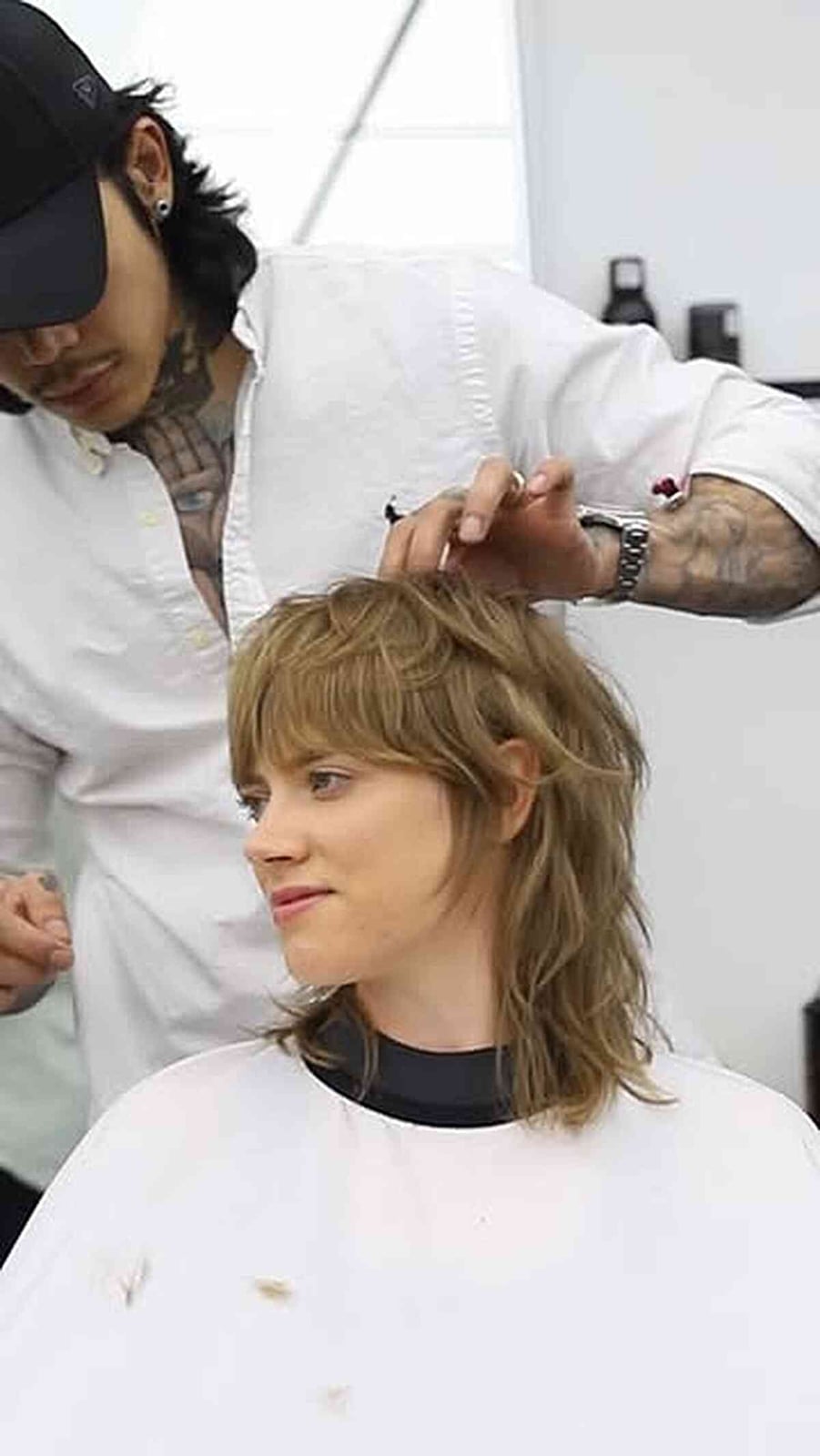
The collarbone-length mullet with wispy bangs relies on textured layers to create its choppy, airy shape, but those layers can split into separate pieces if the hair is over-layered or if the wave pattern is inconsistent. Medium-density wavy hair holds the shape best, with the fringe softening the transition from short crown to longer length. Ask your stylist for a collarbone dark brown mullet with short wispy bangs and textured layers. The trade-off is visible growth: uneven waves can make the cut look undone, not effortless, within a few weeks.
Dark Brown Ear Mullet With Micro Bangs
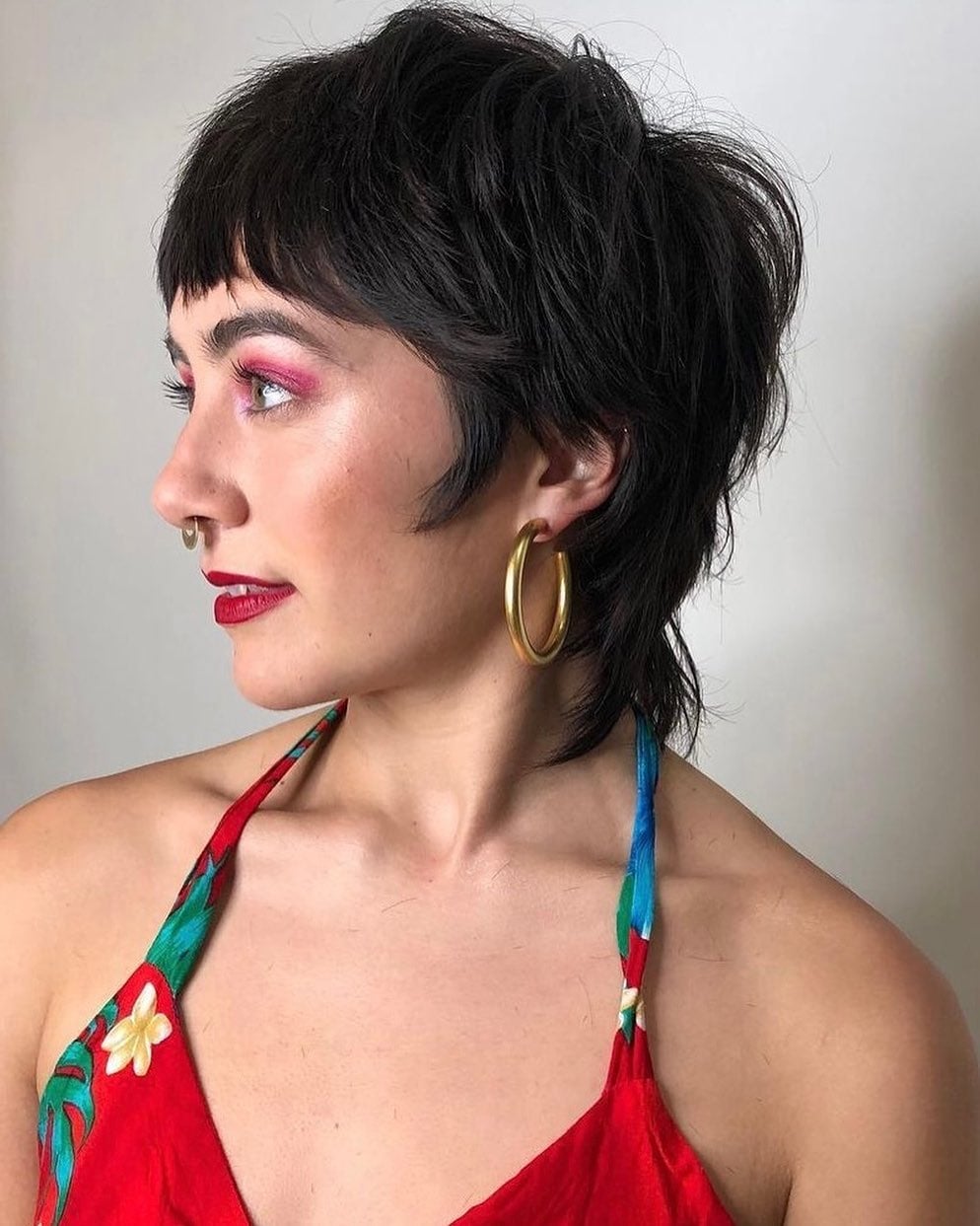
A dark brown ear-length mullet with micro bangs and choppy layers needs daily definition to keep the thick wavy texture from turning into a single block. The middle part and face-framing layers break up the density, but the micro bangs demand the most attention: they sit above the brows and show every bit of growth. Ask your stylist for an ear-length dark brown mullet with micro bangs and choppy layers. A texturizing paste on damp hair gives each wave its own shape, and a trim every three weeks keeps the fringe precise.
Dark Brown Mullet With Curtain Bangs
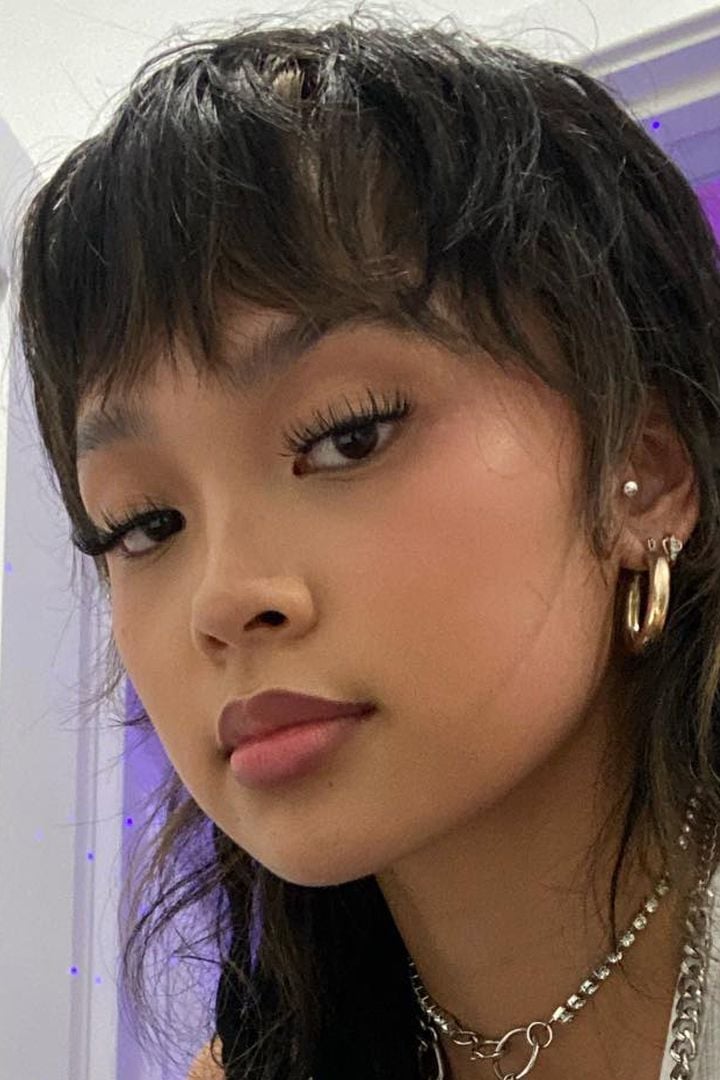
Can fine, wavy hair pull off a mullet without looking flat? A dark brown collarbone-length version with curtain bangs and subtle highlights proves the answer is yes. The air-dried finish and middle part let the natural wave do the work, adding shape where fine textures can go limp. Ask your stylist for: collarbone dark brown mullet with curtain bangs and subtle highlights. A trim every six to eight weeks keeps the curtain bangs from turning into a shapeless curtain, and a texturizing spray gives the wave a second wind by mid-afternoon.
Dark Brown Mullet With Short Choppy Fringe, Ear
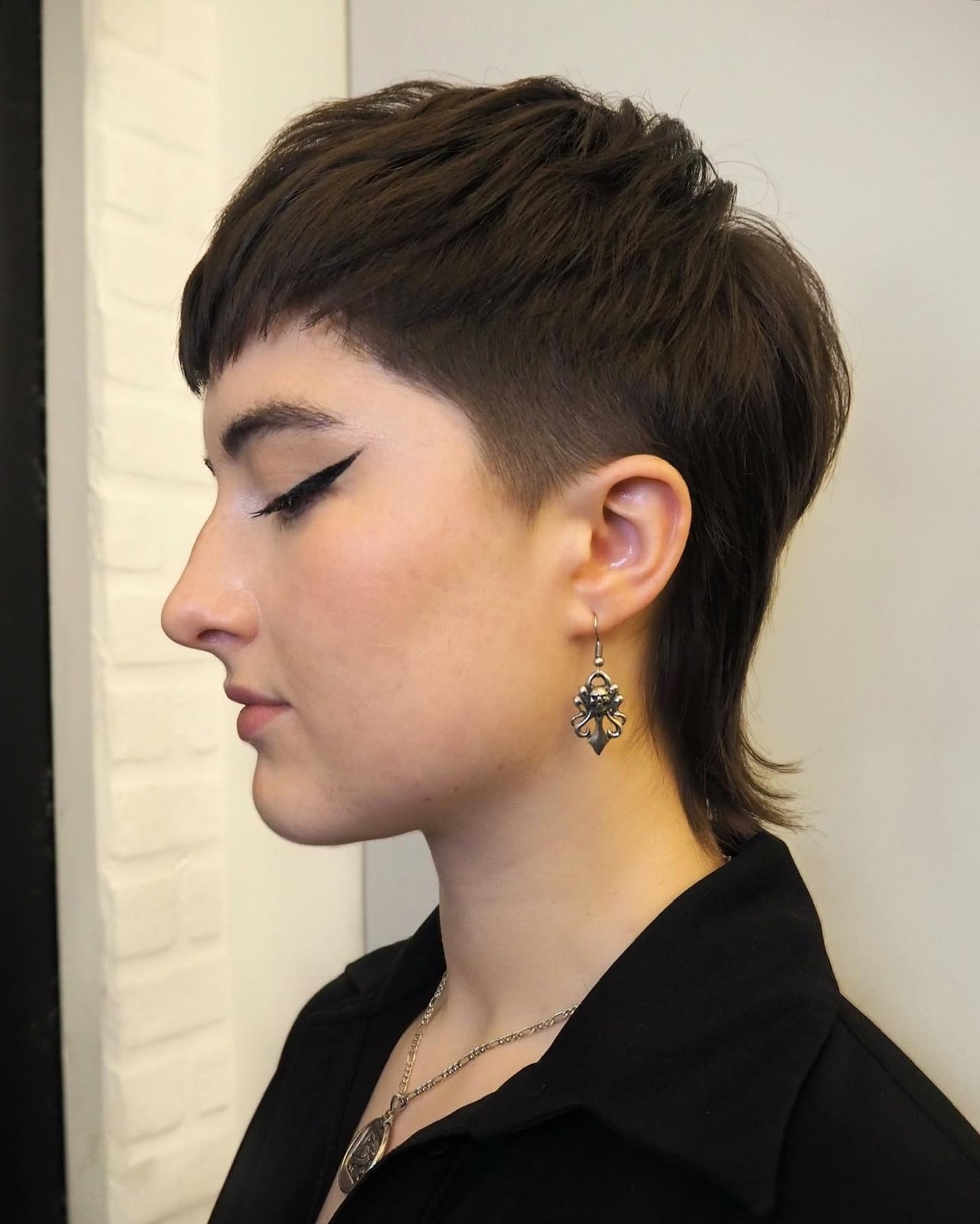
An ear-length mullet with a short, choppy fringe relies on precision: the sides are cut close to the ear while the fringe stays blunt and uneven. The textured, slightly messy finish and middle part keep it from looking like a bad wig. Ask your stylist for: dark brown mullet with short choppy fringe and textured finish. A texturizing paste rubbed between your palms breaks up the fine straight texture and holds the choppy ends in place, though the fringe will need a trim every three to four weeks to keep its edge.
Dark Brown Shoulder Mullet With Gray Highlights, Close-Up Take
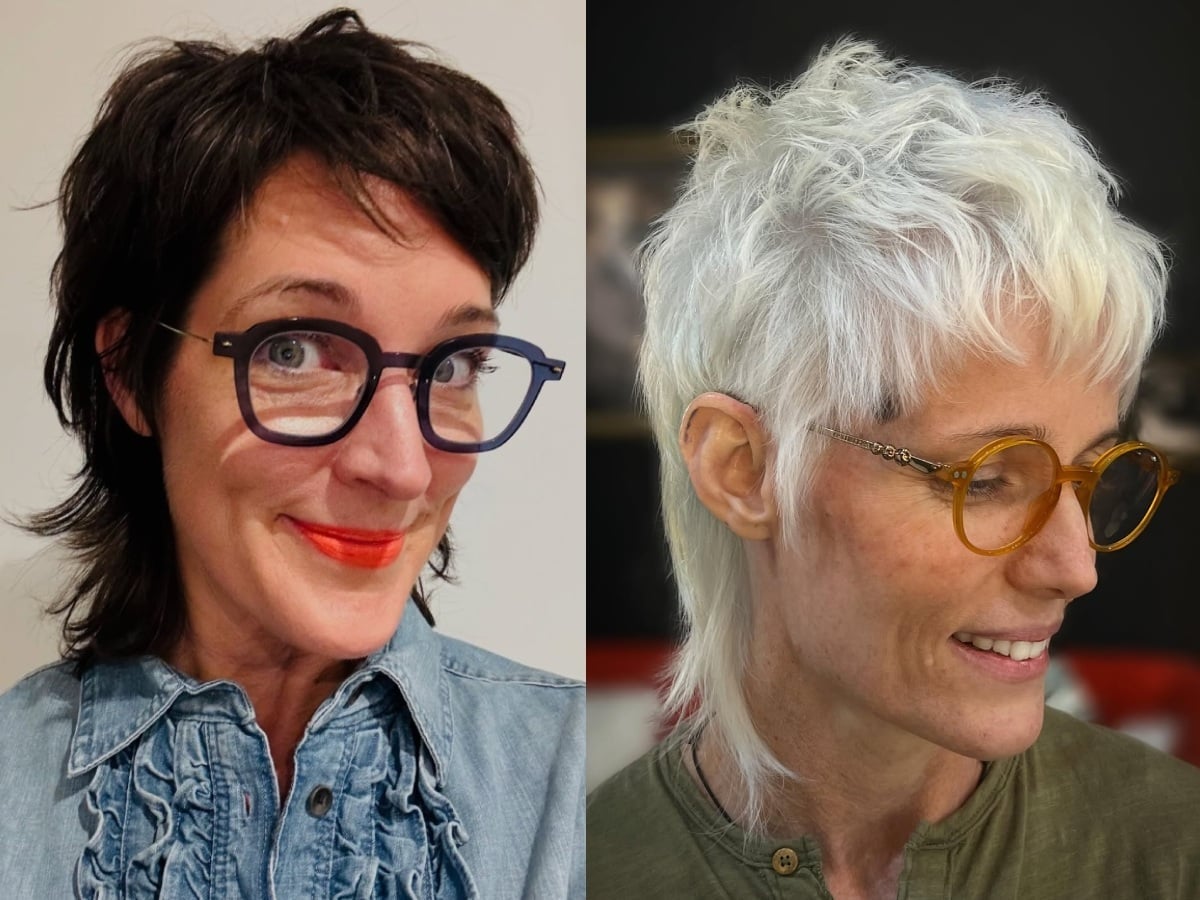
Where a fine-textured mullet relies on air-dried wave for volume, this shoulder-length version with subtle gray highlights works best on thick, straight hair that can hold a shape without product. The layers start around the shoulders and build fullness toward the back, with no bangs to distract from the cut. Ask your stylist for: shoulder length dark brown mullet with subtle gray highlights and layers. A smoothing serum tames the thick texture, and a trim every eight to ten weeks maintains the clean line at the nape.
Platinum Blonde Ear Mullet With Micro Bangs
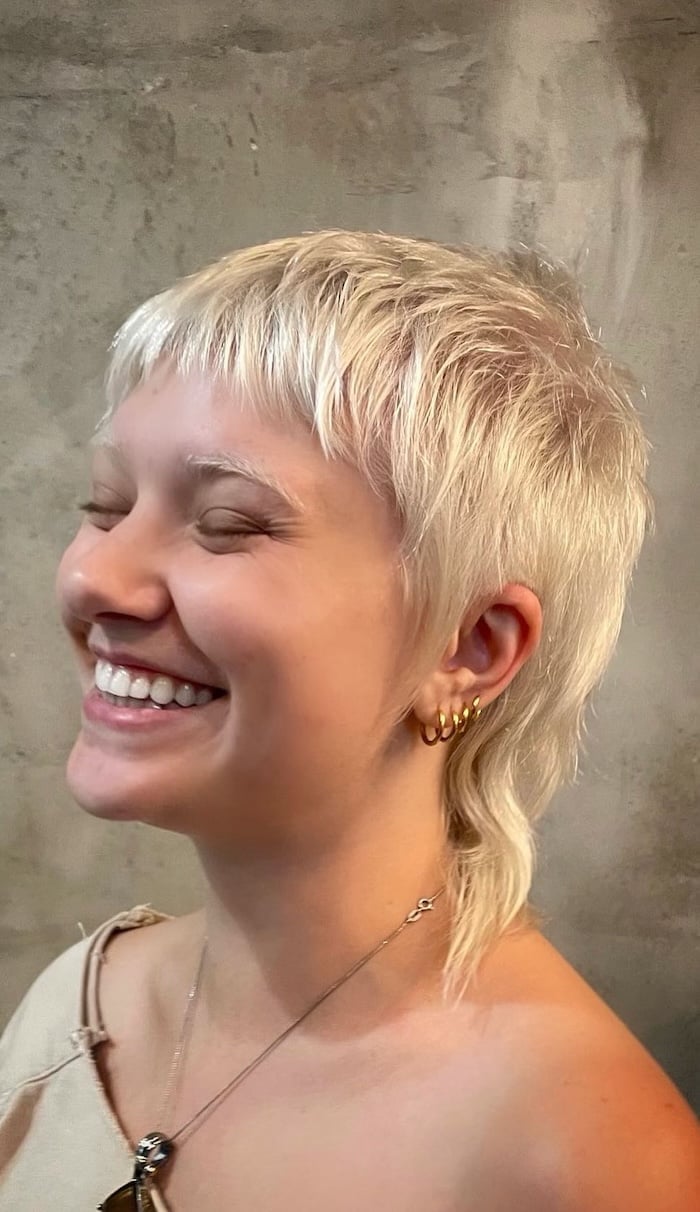
The ear-length platinum blonde mullet with micro bangs is built on contrast: a short, blunt fringe meets face-framing layers that soften the sides, while the back stays cropped. The glossy texture and middle part give the fine straight hair a polished finish that keeps the bold color from looking harsh. Ask your stylist for: ear length platinum blonde mullet with micro bangs. A purple shampoo every other wash prevents brassiness, and a dab of texturizing paste on the micro bangs keeps them from parting ways with the rest of the cut.
Final Thoughts
For a softer entry point, stick with a collarbone-length mullet and curtain or wispy bangs. If you want more edge, go shorter with micro bangs or shaved sides. The modern mullet rewards a clear decision.
- Schedule trims every 6-8 weeks to maintain the mullet’s distinct shape and layers.
- Use texturizing sprays or sea salt sprays for a lived-in, piecey finish.
- For colored mullets, use color-safe shampoos and conditioners to preserve vibrancy.
- Blow-dry bangs with a small round brush for a polished look, or air-dry for a more relaxed texture.
Embrace the modern mullet’s edge and adaptability.